
Hemp-agrimony
Eupatorium cannabinum L.
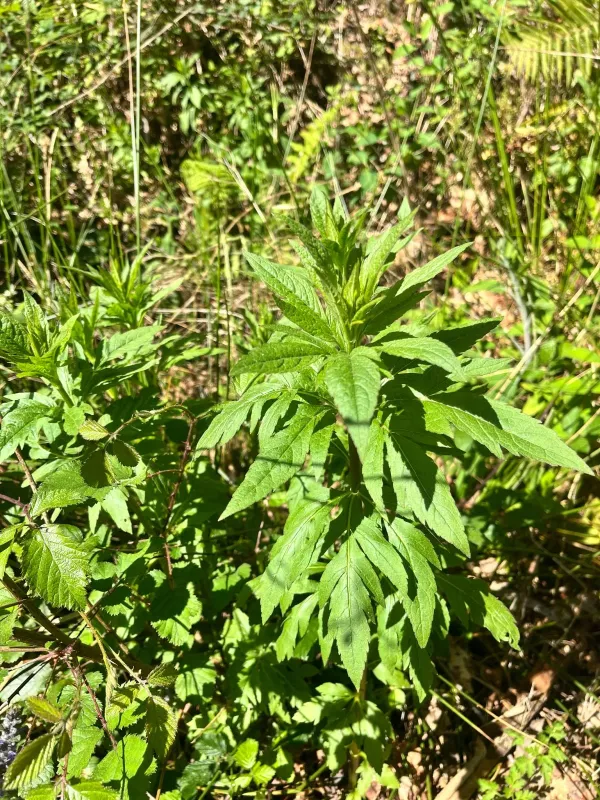
Description
Sowing dates
Hemp-agrimony is typically propagated by seeds sown in the autumn or early spring. The seeds are very small and require light coverage, maintaining high humidity until germination occurs.
For greenhouse cultivation, seeds are sown in late winter in trays with a light, airy soil mix to ensure strong seedling development before transplanting.
Once the risk of frost has passed, seedlings can be moved outdoors. They should be spaced 40–50 cm apart to provide enough room for the plant’s wide, bush-like structure.
Division of mature clumps is an excellent way to propagate the plant. This is usually done in the spring, which helps the plants establish a new root system quickly.
Care should be taken during the first year of growth to keep the soil consistently moist, as young plants are sensitive to prolonged dry spells.
Growing requirements
Eupatorium cannabinum is a member of the Asteraceae family and is native to moist habitats, such as riverbanks, fens, and damp woodlands, across much of Europe and Asia.
The plant thrives in partial shade or full sun, provided the soil remains consistently moist. It is a highly adaptable species regarding soil type, preferring nutrient-rich, damp substrates.
In garden settings, it is a low-maintenance perennial. It is highly resistant to cold weather, surviving harsh winters without the need for additional ground protection.
It prefers a neutral to slightly alkaline soil pH. Adding organic compost in the spring provides the necessary nutrients for vigorous stem growth and dense flowering.
Adequate water is essential for this plant; if planted in drier areas, it requires mulch to keep the roots cool and prevent moisture loss from the soil surface.
Yield
As a medicinal crop, Hemp-agrimony can produce significant biomass. Harvests are typically focused on the aerial parts, which are collected during the peak of the flowering season.
The plant is a prolific nectar source, making it highly valuable in agricultural landscapes for supporting honeybee populations during the mid-to-late summer period.
Consistent growth and longevity on a single site allow for reliable, long-term harvesting of foliage and stems for herbal preparations or organic soil enrichment.
In favorable conditions, established stands produce dense, upright stems that can reach up to 1.5 meters, providing a substantial crop yield per hectare.
Pruning after the initial bloom may stimulate a secondary, albeit smaller, flush of growth, allowing for an extended harvesting window in mild climates.
Main diseases and pests
Hemp-agrimony is generally a robust plant, but it can be susceptible to powdery mildew when planted in areas with poor air circulation or overcrowding.
Aphids are the most frequent pest, often clustering on the flower buds. If left untreated, they can weaken the plant and lead to stunted growth.
Root rot is a potential risk if the soil becomes waterlogged for extended periods, especially during cooler, wetter seasons where drainage is inadequate.
To maintain plant health, it is recommended to provide enough spacing and remove dead plant material from the base in the late autumn to discourage pests.
Biological controls or simple soap-based sprays are often sufficient to manage pest populations without the need for heavy chemical applications.
Harvesting
The aerial parts are harvested during the flowering period, from July to September. The upper stems are cut, leaving enough of the base to ensure plant recovery.
Drying should be done in a dark, well-ventilated space to preserve the active compounds. High temperatures should be avoided to prevent the loss of volatile oils.
Once fully dried, the material should be processed and stored in airtight containers to protect it from humidity and sunlight, which can degrade the leaves.
In ornamental horticulture, the dead flower heads are often left throughout the winter, providing aesthetic interest as they catch frost and light snow.
At the end of the season, all dried stems can be cut down to the ground, and the debris can be used in composting to return organic matter to the soil.