
Fortune's Eupatorium
Eupatorium fortunei Turcz.
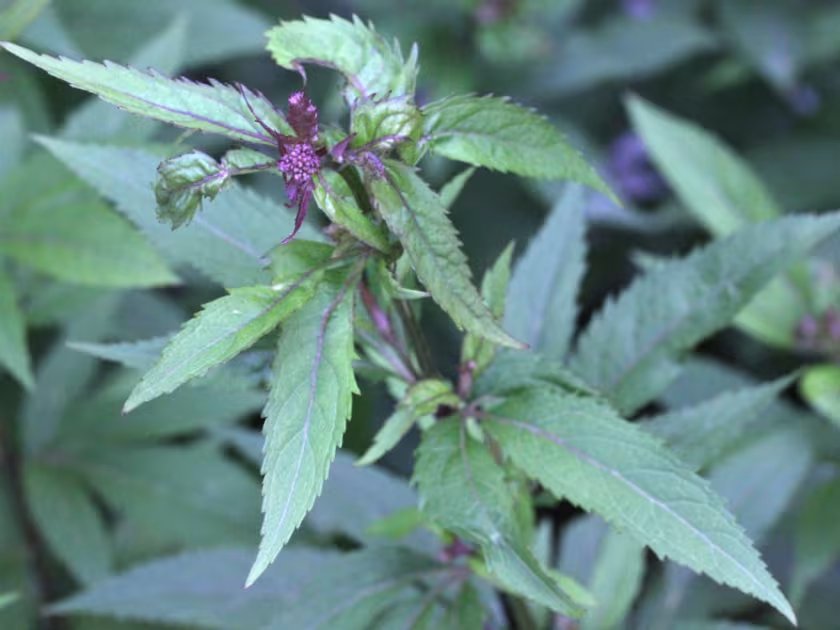
Description
Sowing dates
Fortune's Eupatorium is typically propagated either by seeds or by rhizome division. Sowing seeds outdoors is best performed in the spring once soil temperatures reach 12–15 degrees Celsius to ensure steady germination.
For more uniform plant stands, professional growers often prefer dividing established rhizomes. This practice is most successful when done in early spring or autumn, providing the plants enough time to establish roots before extreme weather hits.
Seeds require a period of cold stratification for 30 to 60 days to break dormancy. If sowing in a nursery or greenhouse, starting the seeds in March allows for early transplanting once the risk of frost has passed.
Spacing is crucial for optimal crop development. Planting at a density of 40x50 cm allows each plant sufficient room for air circulation, which is vital to prevent fungal diseases that can compromise foliage quality.
The seeds should be covered with a very thin layer of fine soil, no deeper than 1 cm, as they need exposure to indirect light to trigger the germination process effectively.
Growing requirements
This perennial member of the Asteraceae family thrives in fertile, well-drained loam soils. It prefers soils with a neutral pH, which ensures the best availability of nutrients required for vigorous vegetative growth.
While the plant exhibits a preference for sunny locations, it can tolerate partial shade, particularly in regions with high solar radiation. Adequate sunlight exposure is linked to higher concentrations of beneficial phytochemicals.
Water management is a key factor in successful cultivation. Fortune's Eupatorium is moisture-loving and requires consistent hydration during its active growing season, especially during summer dry spells.
Fertilization with organic matter in early spring promotes robust stem growth. Proper nutrient management is essential because the aerial parts of the plant constitute the main commercial harvest.
Winter hardiness is moderate; in colder climates, growers should apply a layer of mulch around the root zone to protect the rhizomes from freezing temperatures, ensuring the plant returns the following season.
Main diseases and pests
Powdery mildew is the most common threat to this crop, especially in conditions of high humidity and poor air circulation. Implementing adequate plant spacing is the best preventative strategy for this issue.
Pests like aphids and spider mites can infest young shoots. If a pest population exceeds the economic threshold, biological control methods or selective pesticides should be employed early in the season.
Root rot represents a significant threat in waterlogged soils. Ensuring good soil structure and proper drainage is the most effective way to prevent this disease from killing the crop stands.
Monitoring the field for leaf spot diseases is also recommended. If symptoms appear, removing the affected leaves and applying suitable fungicides can help save the rest of the crop.
- Crop rotation practices
- Soil moisture monitoring
- Integrated pest management
- Regular field sanitation
Harvesting
The primary harvest involves the aerial parts of the plant, including stems and leaves. Harvesting should occur at the onset of flowering, as this is when the concentration of essential oils and active compounds peaks.
After cutting, the biomass must be dried immediately in a well-ventilated, shaded environment. Avoiding direct sunlight during the drying process is critical to preserve the aromatic and medicinal properties.
For large-scale operations, mechanical dryers can be used at temperatures not exceeding 50 degrees Celsius. This ensures that moisture content remains stable while preventing the degradation of heat-sensitive compounds.
Rhizomes are harvested less frequently and are typically gathered in the autumn. Once excavated, they must be cleaned thoroughly of soil and debris before drying to ensure a high-quality pharmaceutical product.
Proper storage is essential to maintain the quality of the harvested materials. They should be kept in breathable containers in a dry, dark place to avoid humidity-related spoilage.