
Common boneset
Eupatorium perfoliatum L.
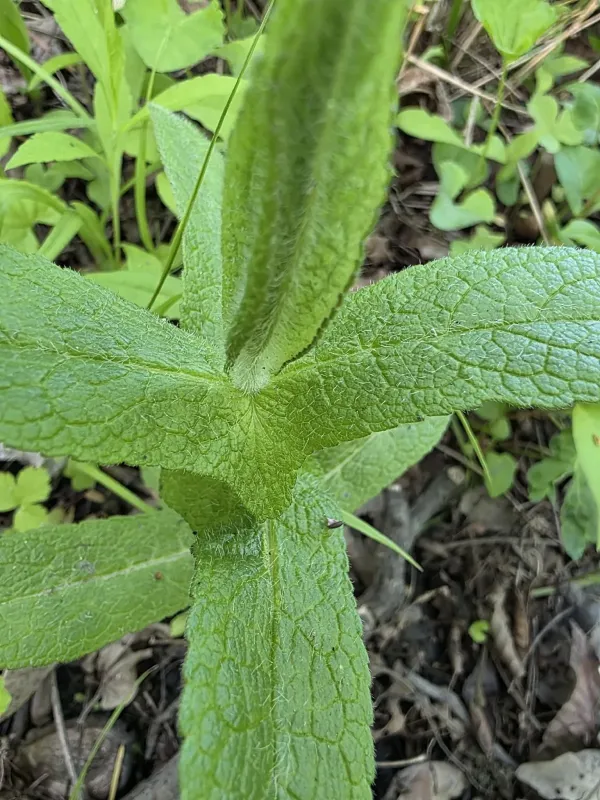
Description
Sowing dates
Propagation of common boneset is typically done through seeds, which require stratification to improve germination rates. The optimal sowing time is in late autumn for winter sowing or early spring, as soon as the soil is sufficiently moist and workable.
When starting indoors, seeds are sown in trays during March. Surface sowing is recommended because the seeds need light for successful germination. The temperature should be maintained between 18–20 degrees Celsius for optimal sprout development.
Transplanting seedlings to their final location is carried out after the danger of frost has passed. It is crucial to maintain a planting distance of at least 40–50 centimeters between individual plants to ensure proper airflow and root development.
The crop exhibits high growth vigor, typically producing sprouts within two to three weeks under favorable conditions. Using fertile, well-prepared soil substrates with a neutral or slightly acidic reaction provides the best start for young plants.
Initial field adaptation requires regular irrigation, particularly while the plants are forming their first true leaves. Gradual hardening of seedlings before transplanting significantly reduces plant stress and mortality rates.
Growing requirements
Common boneset belongs to the Asteraceae family and has high moisture requirements. In its natural habitat, it thrives in wetlands, marshy meadows, and along riverbanks, so growers should choose sites with high water tables for production.
While the plant prefers sunny locations, it can tolerate partial shade during the hottest parts of the day. It is important to provide shelter from strong winds, as the tall stems, which can reach up to 1.5 meters, are prone to breaking.
The soil should be rich in humus and organic matter. Loamy soils that retain moisture without becoming waterlogged are ideal, as excessive standing water can lead to root decay and overall plant decline.
This species is moderately cold-hardy and successfully overwintering in temperate climates when covered by snow. In areas with little snowfall, applying organic mulch such as peat or compost around the base is highly recommended.
Stable water management is the key factor for successful cultivation. Drying of the topsoil during the summer months will negatively impact both the biomass yield and the intensity of the flowering process.
Yield
The economic use of common boneset focuses on harvesting the aerial parts, including leaves and flowering tops, at the beginning of the mass flowering stage. At this point, the concentration of active chemical compounds is at its peak.
The average yield of dry biomass ranges from 1.5 to 2.5 tons per hectare under optimized agronomic management. Productivity generally increases during the second and third years as the rhizomes establish and expand.
Harvesting is performed mechanically or by hand. Once harvested, the material must be dried immediately in a well-ventilated space at temperatures below 40 degrees Celsius to preserve volatile oils and active flavonoids.
The plant contains complex polysaccharides, glycosides, and alkaloids, making it a valuable resource for the pharmaceutical industry, particularly for its traditional use as an immune-modulating and antiviral herbal agent.
Beyond its medicinal applications, the common boneset is highly valued in environmental horticulture as a significant nectar source. It attracts a wide array of pollinators, which enhances the overall biological health of the ecosystem.
Main diseases and pests
Common boneset possesses high natural resistance to many pathogens, yet overcrowding and excessive humidity can lead to outbreaks of powdery mildew. Proper thinning and maintaining plant spacing are essential preventive measures.
Insect pests such as leaf-eating beetles and aphids can pose a threat, particularly during hot and dry spells. Regular scouting of the field allows for early detection and the implementation of management strategies.
In conditions with poor drainage, root rot caused by soil-borne fungi may occur. To prevent this, strict crop rotation should be followed, avoiding sites where other Asteraceae species were grown in the previous season.
Nematodes may affect the root system if the crop is grown in the same location for too many years without proper soil enrichment. Thorough field sanitation after harvest is a mandatory part of the maintenance cycle.
Integrated pest management with an emphasis on biological controls is highly recommended. The use of synthetic pesticides should be minimized or avoided, especially if the crop is intended for medicinal or phytotherapeutic use.