
Dracaena surculosa
Dracaena surculosa Lindl.
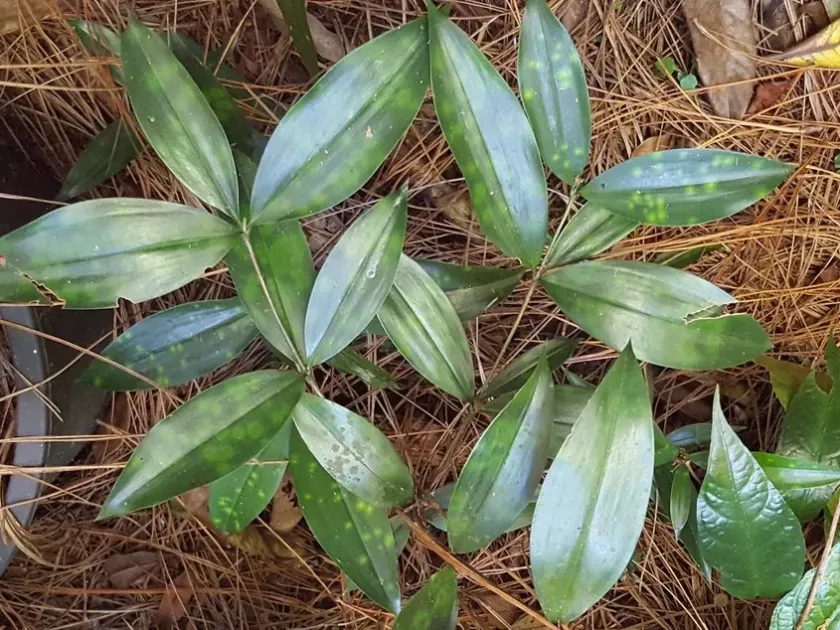
Description
Growing requirements
Dracaena surculosa, a member of the Asparagaceae family, is a distinct species known for its shrub-like growth habit. Unlike common tree-like dracaenas, this plant develops numerous bamboo-like stems originating from the base, native to the tropical rainforests of West Africa.
For optimal growth, the plant requires bright, indirect light. While it can adapt to lower light conditions, consistent filtered light is necessary to maintain the unique yellow-spotted pattern on its foliage, which might fade in deep shade.
The climate requirements include keeping the plant in a warm environment, ideally between 18°C and 25°C. It is sensitive to cold drafts, which can cause leaf drop and stunt the overall development of the plant during the cooler months of the year.
Soil quality is paramount for this species. A well-draining, peat-based potting mix is recommended to ensure that moisture is retained without causing waterlogging, which the plant does not tolerate well. Adding perlite or coarse sand helps improve the structure.
Watering should be balanced, allowing the surface of the soil to dry out slightly before the next irrigation cycle. Furthermore, this plant thrives in humid conditions; misting the foliage regularly helps prevent the tips of the leaves from drying out and turning brown.
Main diseases and pests
Common pests that may affect Dracaena surculosa include spider mites, mealybugs, and scale insects. These pests often congregate in the axils of the leaves or on the undersides, requiring prompt intervention with insecticidal soap or neem oil treatments.
Root rot is the most serious disease threat, usually stemming from poor drainage or excessive watering. To prevent this, it is crucial to ensure that the container has adequate drainage holes and that the plant is never left sitting in stagnant water.