
Gardenia volkensii
Gardenia volkensii
Description
Growing requirements
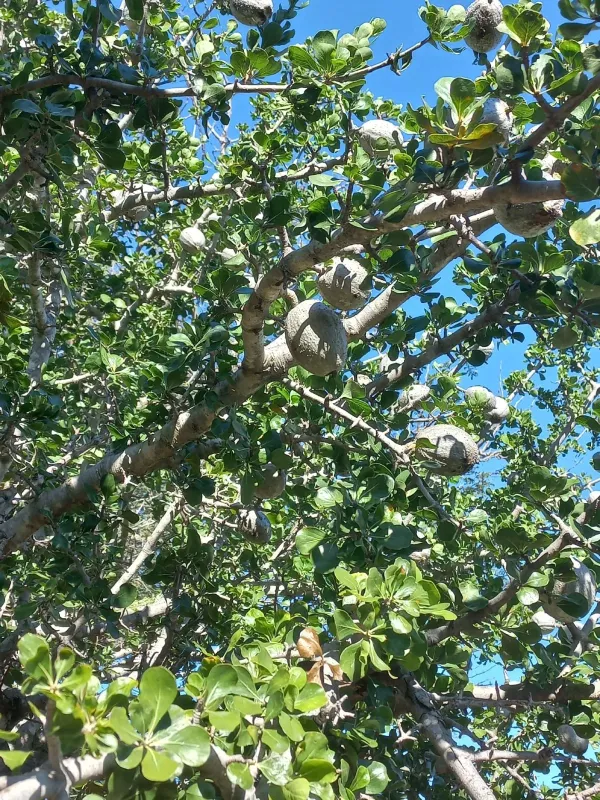
Gardenia volkensii is a significant woody shrub belonging to the Rubiaceae family. Known for its distinct growth habit, this plant can develop into a small tree, often displaying a dense, thorny structure that provides excellent shelter for local fauna in its native habitats.
Originating from the tropical and southern regions of Africa, this species is well-adapted to savanna landscapes and rocky terrains. Its distribution range highlights its capability to thrive in various soil types, ranging from sandy loams to rocky soils, provided that drainage is sufficient.
The environmental requirements for Gardenia volkensii emphasize the need for abundant sunlight to ensure optimal development and prolific flowering. While it possesses remarkable drought tolerance, consistent moisture during the initial establishment phase is crucial for root system development.
Climate considerations are essential; the plant is sensitive to frost and thrives in warm, temperate to tropical environments. Maintaining temperatures within a favorable range is key to preventing stress, as extreme cold can cause severe damage to the foliage and young terminal shoots.
In terms of хозяйственное (economic) utility, this plant is primarily valued for its highly fragrant white flowers, which make it a sought-after ornamental specimen. Additionally, its wood is appreciated for its density and durability, serving various local needs in its native African regions.
Main diseases and pests
Pest management for Gardenia volkensii primarily involves monitoring for sap-sucking insects such as scale insects and mealybugs. These pests can weaken the shrub, particularly when the plant is kept in environments with poor air circulation or low humidity.
Fungal diseases are the primary health threat, usually triggered by waterlogged soil conditions or excessive atmospheric moisture. Root rot is a common manifestation, which underscores the importance of utilizing well-draining soil mixes and avoiding over-irrigation.
Iron deficiency, leading to interveinal chlorosis, is a common physiological issue. To maintain the vibrant green color of the leaves, it is essential to ensure that the soil pH is within the slightly acidic range and that iron is supplied through accessible chelated fertilizers.
Effective control measures include the judicious use of horticultural oils for pest outbreaks and the implementation of a strict sanitation program to remove debris. Regular pruning helps in maintaining an open canopy, which naturally reduces the risk of fungal proliferation.
Integrated pest management strategies should prioritize the health of the root system as the foundation of plant resilience. By balancing irrigation, sunlight, and nutritional inputs, the plant remains capable of defending itself against common tropical pathogens and environmental stressors.