
Gardenia cornuta
Gardenia cornuta
Description
Growing requirements
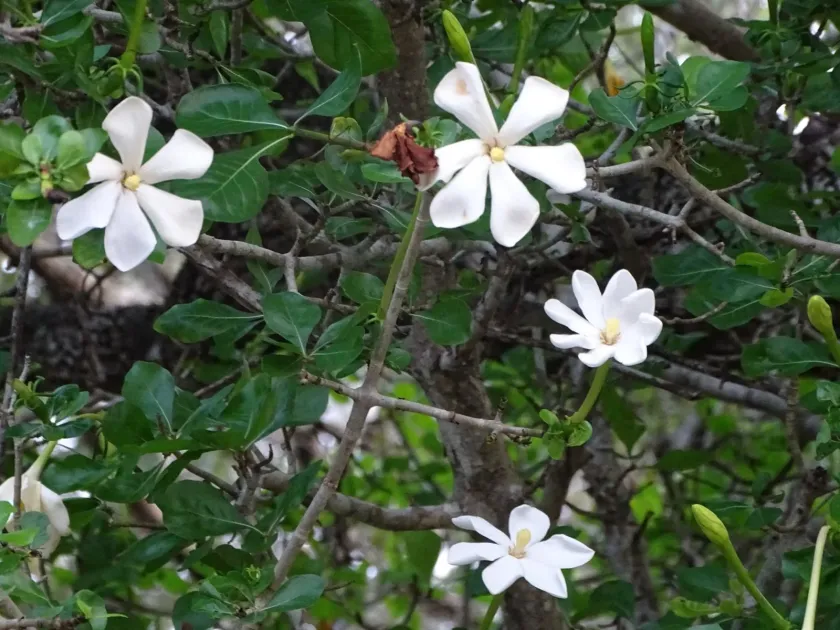
Gardenia cornuta, commonly known as the horn gardenia, is a distinguished member of the Rubiaceae family. Native to the coastal forests of Southern Africa, this evergreen shrub or small tree is highly valued for its striking aesthetics and aromatic white blossoms that appear in summer.
Botanically, the plant is characterized by its glossy, dark-green foliage and unique, horned fruit structure. These fruits are distinctive to the species and provide a visual interest that persists long after the flowering period concludes, contributing to its ornamental utility.
Environmental requirements for this species are strict, as it thrives in tropical to subtropical climates. It requires full sun to partial shade and is highly intolerant of frost, necessitating greenhouse conditions in temperate regions to maintain metabolic activity throughout the year.
Soil management is critical for the success of Gardenia cornuta. The plant necessitates well-draining, acidic soil (pH range 5.0 to 6.0) rich in organic matter. Proper soil aeration is essential to prevent the accumulation of moisture, which is detrimental to its sensitive root system.
In landscape architecture, the plant serves as an excellent specimen for patios, indoor atriums, or warm-climate gardens. Its ability to tolerate container cultivation makes it a versatile option for gardeners looking to add exotic flair to their collection of flowering plants.
Main diseases and pests
The primary pests affecting Gardenia cornuta include mealybugs and spider mites. These pests typically congregate on the undersides of leaves or along leaf axils, depleting the plant's resources and causing stunted development of new growth.
Scale insects pose a significant challenge, appearing as small, waxy bumps on stems and foliage. They not only feed on sap but also secrete honeydew, which facilitates the growth of sooty mold, further compromising the plant's health and appearance.
Fungal pathogens, particularly those causing root rot, are commonly linked to poor drainage or excessive irrigation practices. Once the roots are compromised, the plant exhibits signs of yellowing and overall decline, which is often irreversible.
Chlorosis is a frequent nutritional issue, often misidentified as a pest problem. It occurs when soil pH rises too high, making iron unavailable to the plant, resulting in bleached leaf tissue between the veins while the veins themselves remain dark green.
Effective management strategies involve a combination of biological controls and regular cultural practices. Monitoring environmental factors such as humidity and airflow is the most effective way to prevent the establishment of pests and diseases.