
Gardenia aubryi
Gardenia aubryi
Description
Growing requirements
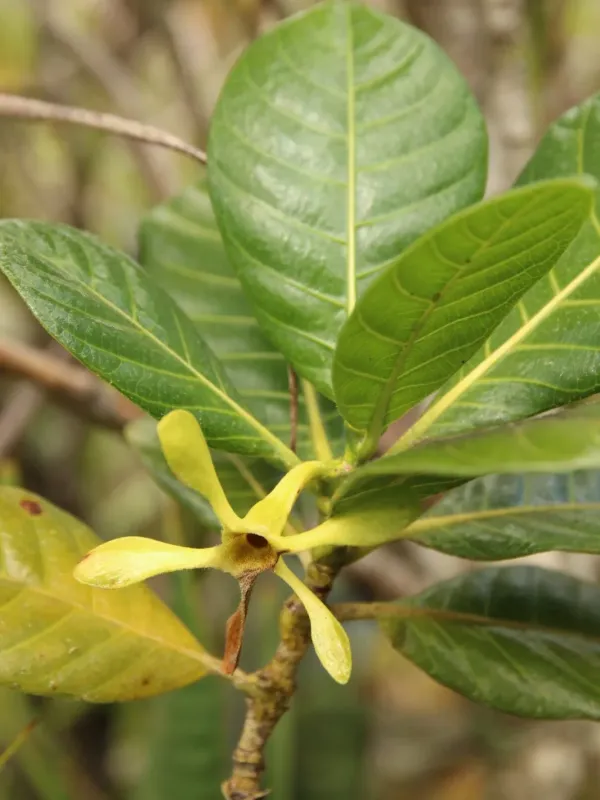
Gardenia aubryi is a distinct botanical species belonging to the Rubiaceae family. Originating from the tropical landscapes of New Caledonia, this evergreen shrub is highly valued for its unique morphology and aromatic flowering potential in specific microclimates.
The cultural requirements for this plant are centered on maintaining a stable tropical environment. It thrives in high humidity and requires consistently warm temperatures, avoiding any exposure to frost or chilling winds, which can lead to immediate physiological stress.
Soil composition is critical for the survival of Gardenia aubryi. The plant necessitates an acidic, well-draining, and nutrient-rich substrate. High-quality potting mixes with organic matter are ideal for container-based cultivation to ensure root health.
Light management involves providing bright, indirect sunlight throughout the day. Excessive exposure to direct ultraviolet radiation can scorch the dense, leathery leaves, while insufficient light levels will significantly reduce the intensity and frequency of blooming.
Botanically, the plant is characterized by its glossy foliage and structural growth habit. In agricultural and horticultural contexts, it is primarily used as an ornamental specimen, requiring skilled maintenance due to its narrow ecological niche.
Main diseases and pests
Pest management is a fundamental aspect of cultivating Gardenia aubryi. Common threats include spider mites and scale insects, which exploit the plant's sensitivity to dry air. Regular monitoring and physical removal are initial defensive steps.
Fungal infections, particularly root rot, are the most severe threat to the species. This condition is primarily induced by overwatering or poor drainage systems. Maintaining a delicate balance between moisture and oxygenation in the root zone is mandatory.
Iron deficiency-induced chlorosis is frequently observed in improper soil conditions where pH levels are too high. Correcting this requires soil acidification and the application of iron chelates to restore the natural green pigment of the leaves.
Fungal leaf spot diseases may occur in environments with poor air circulation. Implementing adequate spacing between plants and ensuring optimal ventilation can prevent the proliferation of spores in the greenhouse environment.
If chemical interventions are necessary, low-toxicity horticultural oils and soaps are preferred to avoid damaging the sensitive plant tissues. Always test treatments on a small branch before applying them to the entire specimen.