
Gardenia erubescens
Gardenia erubescens
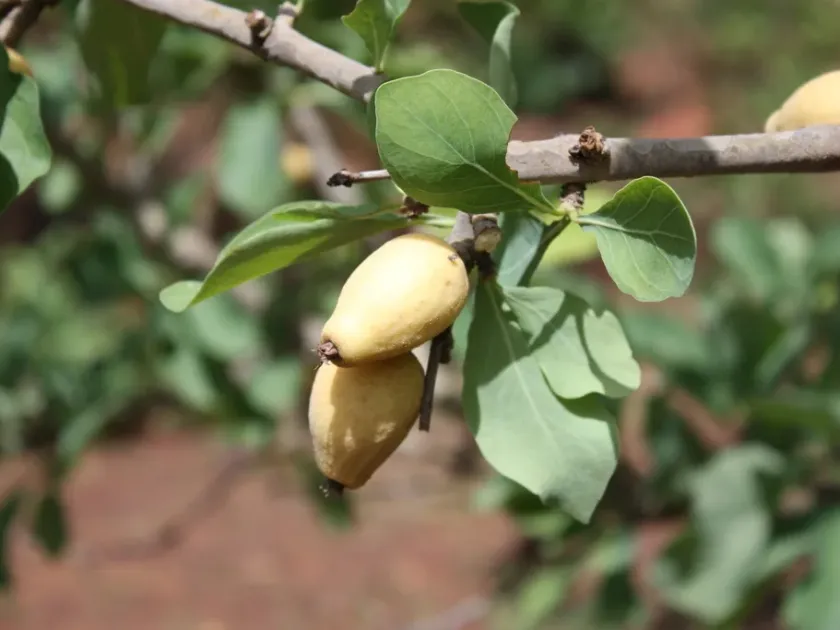
Description
Growing requirements
Gardenia erubescens is a perennial evergreen shrub belonging to the Rubiaceae family. This species is native to tropical regions of West and Central Africa, where it thrives in warm, humid forest and savannah environments.
The plant is botanically recognized by its thick, leathery leaves and fragrant white flowers that tend to turn pinkish or yellowish with age. Mature specimens can develop into substantial shrubs, providing year-round foliage and seasonal blooming.
To cultivate Gardenia erubescens successfully, a tropical or subtropical climate is essential as the plant is not frost-tolerant. It requires consistently high ambient temperatures and significant humidity to maintain its metabolic functions.
The ideal growing medium should be fertile, well-drained, and acidic with a pH range of 5.0 to 6.0. Proper soil management is crucial, as the plant suffers quickly from root suffocation in waterlogged conditions.
The primary economic use of this plant is ornamental, as it is highly valued for landscaping in tropical climates. Furthermore, it possesses traditional medicinal uses, with various parts of the plant being utilized in local herbal practices for their bioactive properties.
Main diseases and pests
Pest infestations such as spider mites, mealybugs, and whiteflies are the most common threats to the health of Gardenia erubescens. Regular cleaning and biological monitoring help keep these pest populations under control.
Root rot is a major threat caused by overwatering or poor drainage systems. This fungal condition can lead to rapid decline and death of the shrub if the moisture balance in the root zone is not promptly corrected.
Iron deficiency, resulting in interveinal chlorosis, is a recurring issue in alkaline or non-acidic soils. Periodic applications of iron chelates are often necessary to maintain the deep green color of the leaves.
Anthracnose and other foliar fungal diseases can develop in stagnant, humid air. Maintaining adequate spacing between plants ensures proper airflow, which is the most effective preventative measure against such infections.
Integrated pest management strategies should be applied to avoid damaging the plant's delicate aesthetic properties. Utilizing targeted, organic-friendly solutions is recommended to maintain a healthy ecosystem around the shrubs.