
Gardenia carinata
Gardenia carinata
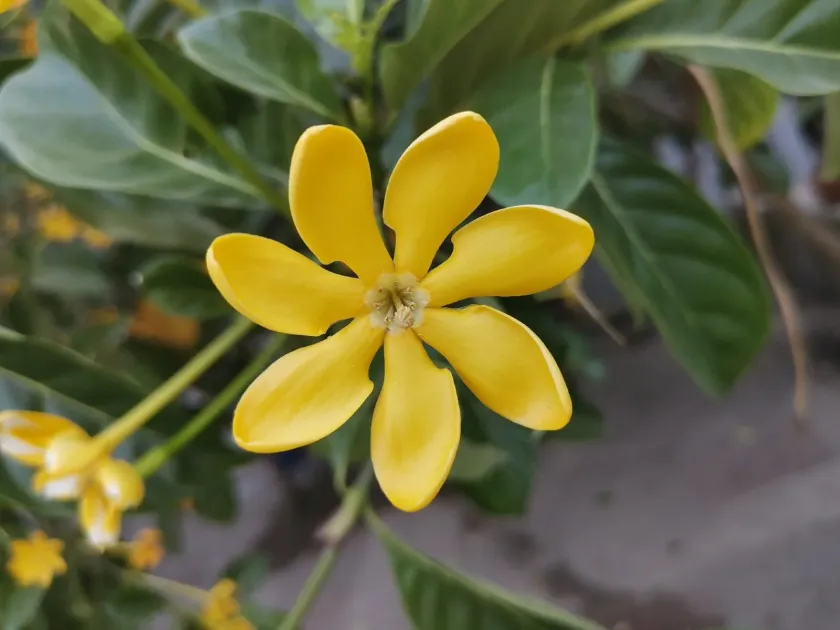
Description
Growing requirements
Gardenia carinata is a prominent member of the Rubiaceae family, known for its elegant, fragrant flowers and dark, glossy foliage. This evergreen shrub is highly regarded in tropical horticulture for its aesthetic appeal.
Native to Southeast Asia, specifically regions within the Malay Peninsula, this plant thrives in environments characterized by high humidity and consistent tropical temperatures. It typically grows in the understory of forests, preferring dappled light.
The cultivation of Gardenia carinata requires acidic, well-draining soil rich in organic matter. A substrate with a pH between 5.0 and 6.0 is essential to ensure the plant can effectively uptake necessary nutrients like iron.
Climate requirements for this plant include a temperature range of 20°C to 28°C. It is intolerant of frost and cold drafts; therefore, in cooler climates, it must be grown in controlled indoor or greenhouse environments.
Watering practices are crucial, as the plant demands moisture but detests waterlogging. Using rainwater or softened water is recommended to maintain the soil acidity levels and prevent the accumulation of mineral salts.
Main diseases and pests
Spider mites are a primary concern for Gardenia carinata, particularly in low-humidity conditions. These pests thrive in dry air, causing stippling and yellowing on the foliage which can significantly weaken the shrub.
Scale insects often infest the stems and the undersides of leaves. Their presence can lead to the growth of sooty mold, which impairs the plant's ability to photosynthesize efficiently.
Root rot, primarily caused by Phytophthora or Pythium species, is a common threat triggered by overwatering or poor drainage. This condition is often fatal if not detected in its early stages of development.
Iron deficiency, manifesting as interveinal chlorosis, is a common physiological issue rather than a biotic one. It occurs when soil pH rises too high, locking out essential micronutrients from the plant's roots.
Effective management includes maintaining optimal humidity, providing regular soil amendments, and using integrated pest management (IPM) strategies to minimize the need for heavy chemical intervention.