
Imperial Gardenia
Gardenia imperialis
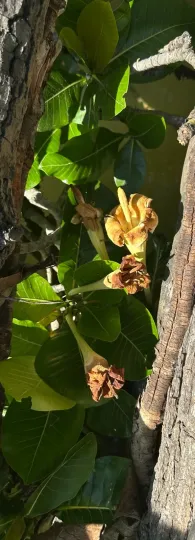
Description
Growing requirements
Gardenia imperialis, commonly known as the Imperial Gardenia, belongs to the Rubiaceae family. This woody perennial is native to the tropical regions of Africa, where it thrives in moist forests and riparian environments, showing its preference for high humidity.
The plant requires a stable, warm climate with temperatures consistently above freezing. It prefers bright, indirect sunlight, as intense direct sun can scorch the foliage and hinder healthy leaf development.
Soil requirements involve acidic to neutral substrates that are rich in organic matter and possess excellent drainage capabilities. Proper aeration of the root zone is crucial to prevent the onset of decay in the dense root system.
Agricultural management involves regular watering with soft water, avoiding lime-rich sources. Fertilizer applications should be focused on acidic-loving plants to maintain the optimal pH level and provide essential micronutrients like iron.
The main commercial and horticultural value of the Imperial Gardenia lies in its aesthetic appeal. It is highly prized in landscaping and interior tropical plant collections for its robust growth, large glossy leaves, and fragrant blooms.
Main diseases and pests
The primary pests affecting this species include mealybugs, aphids, and spider mites. These insects tend to congregate on the undersides of leaves, sucking sap and causing the foliage to yellow and drop prematurely.
Pathogenic threats include root rot and stem blight, primarily induced by overwatering or poorly drained soil conditions. These fungal infections are difficult to reverse once they reach an advanced stage.
Effective pest control involves a combination of manual removal, neem oil applications, or systemic insecticides if infestations are severe. Early detection through regular monitoring is the most effective management strategy.
Maintaining proper air circulation around the canopy helps prevent the development of powdery mildew and other airborne fungal spores. It also helps manage microclimate humidity to reduce pest attractiveness.
Nutrient management is essential to prevent physiological disorders such as iron chlorosis. Regular testing of the soil or growing medium ensures that nutrients are available and pH levels remain conducive to healthy growth.