
Gardenia coronaria
Gardenia coronaria
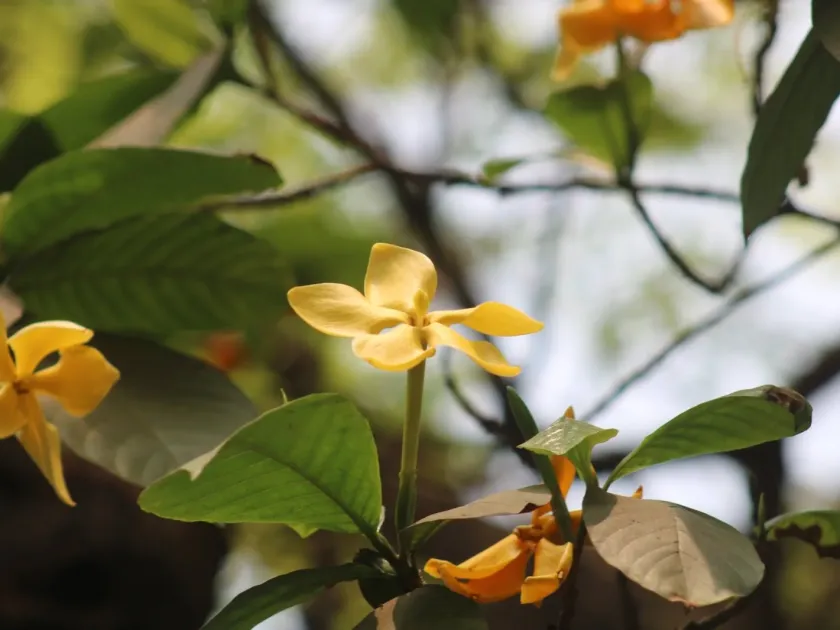
Description
Growing requirements
Gardenia coronaria is an evergreen woody shrub belonging to the Rubiaceae family. Native to the tropical forests of Southeast Asia, this plant thrives in environments characterized by consistently high humidity and warm temperatures throughout the year.
The cultivation of this crop requires well-drained, acidic to slightly acidic soil. Gardeners and growers should focus on utilizing peat-based substrates or specialized potting mixes that ensure adequate aeration for the sensitive root system.
Light intensity is a critical factor for successful production. The plant requires bright, filtered sunlight to flourish; direct sunlight exposure during peak hours can lead to leaf scorching, while insufficient light severely limits flower production.
Temperature management is vital, with an ideal range between 20°C and 25°C. Exposure to cold drafts or rapid temperature fluctuations will cause immediate physiological stress, often resulting in the abscission of flower buds.
Irrigation practices must be precise; using soft or distilled water is highly recommended to prevent salt accumulation in the soil, which can induce iron chlorosis and inhibit the plant's nutrient uptake capabilities.
Main diseases and pests
The most common pests affecting Gardenia coronaria include spider mites and mealybugs. These organisms thrive in dry environments and can quickly infest foliage, necessitating regular monitoring and the use of horticultural oils or soaps.
Root rot, primarily caused by waterlogging or pathogenic fungi, is a frequent threat in greenhouse production. Maintaining proper drainage and avoiding soil saturation is essential for preventing these destructive fungal infections.
Iron chlorosis often manifests as interveinal yellowing of young leaves. While this is a physiological disorder, it can be mitigated through the application of chelated iron fertilizers to correct the underlying nutritional imbalance.
Aphid infestations on tender apical shoots are common during the spring growth flush. Integrated pest management (IPM) strategies, including the introduction of beneficial insects, are effective in controlling these outbreaks.
Regular sanitation of the growing area, including the removal of dead or decaying plant material, is crucial to prevent the proliferation of soil-borne pathogens and to maintain high standards of crop health.