
Gardenia urvillei
Gardenia urvillei
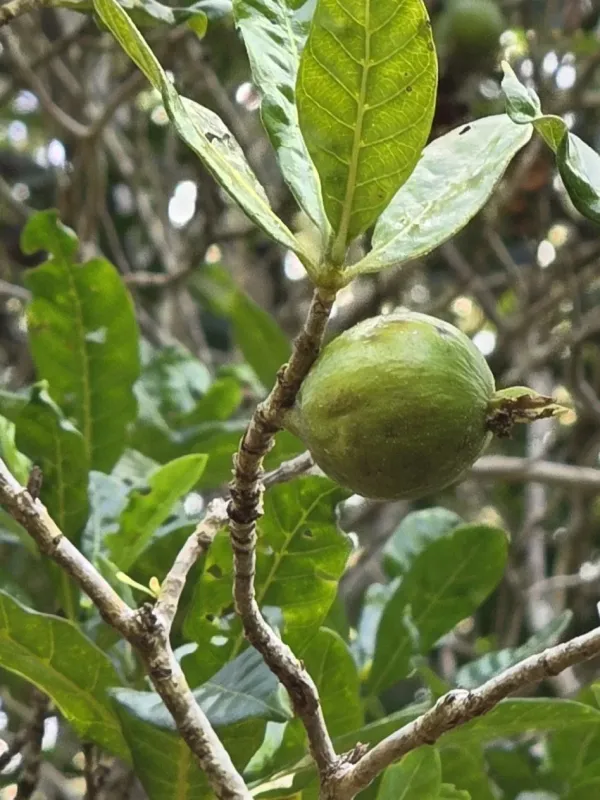
Description
Growing requirements
Gardenia urvillei is an evergreen shrub belonging to the Rubiaceae family. This species is primarily recognized for its glossy, coriaceous leaves and its aesthetic appeal in botanical and horticultural applications.
Originating from the Oceania region, specifically New Caledonia, the plant has adapted to tropical conditions. In agricultural settings, it requires high ambient humidity and stable temperatures, reflecting its natural habitat.
The crop thrives in acidic to slightly acidic soils that provide excellent drainage. Soil aeration is critical to prevent root suffocation, which often leads to poor nutrient uptake and susceptibility to pathogens.
Optimal growth requires bright, indirect light. Exposure to direct afternoon sun can damage the foliage, while insufficient light leads to spindly growth and a significant reduction in leaf coloration.
Temperature management is crucial, with an ideal range between 18°C and 26°C. Protecting the plants from extreme temperature fluctuations and cold drafts is essential to maintain healthy vegetative development.
Main diseases and pests
Spider mites are a common threat, especially in low-humidity environments. These pests cause yellowing and necrosis of the leaves, which significantly impacts the plant's overall health and visual quality.
Mealybugs pose a persistent problem, hiding in leaf axils and stems. Their feeding weakens the plant and promotes the growth of sooty mold, which blocks sunlight from reaching the leaves.
Root rot, often caused by Phytophthora species, is the most common disease associated with poor water management. Once the root system is compromised, the recovery of the shrub is typically difficult.
Chlorosis is a frequent nutritional issue, often stemming from iron deficiency in alkaline or poorly buffered soils. Foliar application of chelated iron is a standard corrective measure in greenhouse production.
Integrated Pest Management (IPM) is strongly recommended for this culture. This includes scouting for pests regularly and using a combination of biological controls and targeted chemical treatments when necessary.