
Gardenia tubifera
Gardenia tubifera
Description
Growing requirements
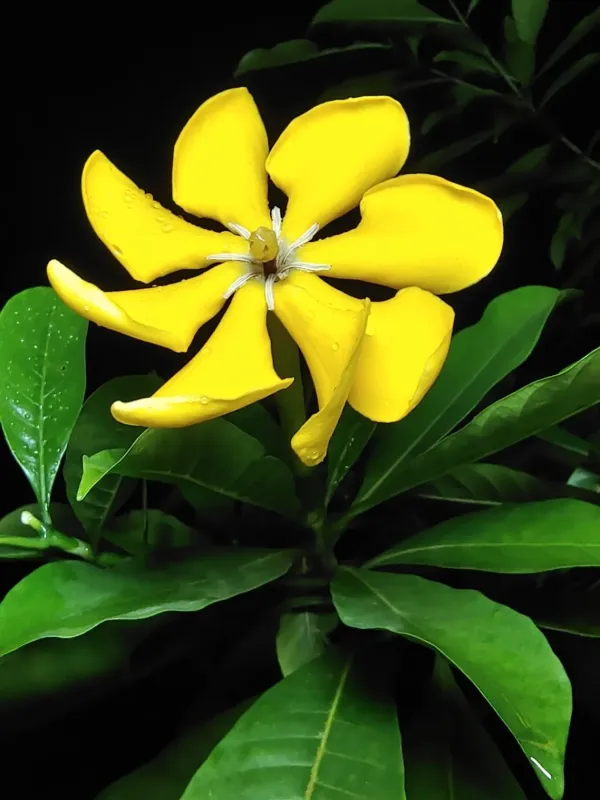
Gardenia tubifera is an evergreen shrub belonging to the Rubiaceae family, native to the tropical forests of Southeast Asia. It is widely recognized for its botanical uniqueness, specifically the distinct, long-tubed flowers that differentiate it from other species within the genus.
The plant exhibits dense, glossy, deep green foliage and reaches considerable heights in its natural habitat. Its flowers, which transition in color as they age, are highly valued for their potent and sweet fragrance, making the plant a popular choice for tropical landscape design.
Cultivation of this species requires a stable tropical climate with temperatures ideally maintained between 22 and 28 degrees Celsius. The crop is sensitive to cold stress and requires protection from extreme weather conditions, including intense direct sunlight and dry, scorching winds.
Soil requirements dictate the use of well-draining, nutrient-rich media with an acidic pH level. Proper aeration of the root zone is essential to prevent moisture-related physiological disorders, ensuring the plant receives consistent hydration without exposure to waterlogging.
In terms of economic and practical application, Gardenia tubifera is primarily utilized as an ornamental plant for landscaping in warm climates. Its aesthetic and aromatic qualities make it a significant asset in botanical gardens and the perfumery industry, where its essential oils are sought after.
Main diseases and pests
Common pests affecting this species include spider mites, aphids, and scale insects. These organisms can quickly colonize the plant, particularly in low-humidity environments, necessitating regular monitoring and integrated pest management strategies to protect the foliage.
Pathogenic threats are dominated by root rot caused by various fungal species, usually triggered by improper irrigation and poor soil drainage. Maintaining a healthy balance of soil moisture and providing sufficient airflow around the plant canopy are the most effective preventative measures against such diseases.