
Gardenia tinneae
Gardenia tinneae
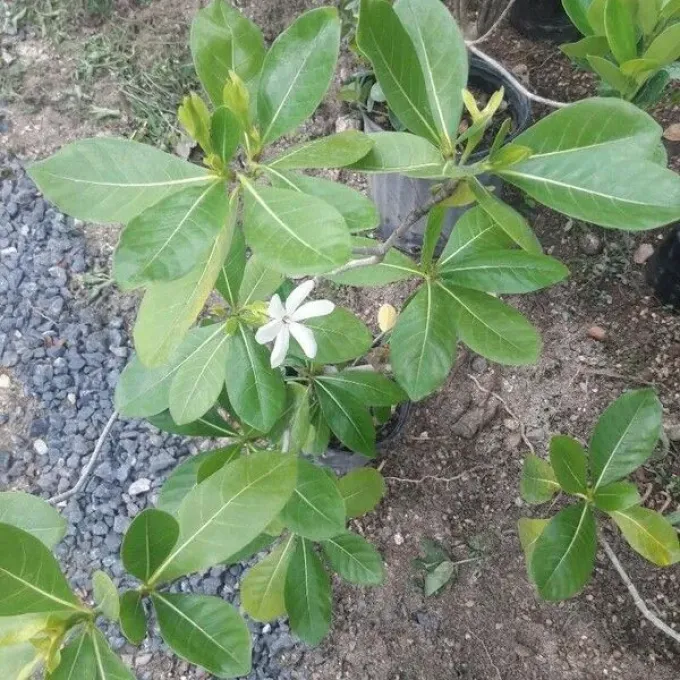
Description
Growing requirements
Gardenia tinneae is a notable ornamental species within the Rubiaceae family. This evergreen shrub is highly valued for its fragrant blooms and dense, lush foliage, making it a classic choice for botanical collections and indoor conservatories.
Originating from the tropical regions of Africa, this plant thrives in environments that mimic its native habitat. It requires high humidity levels and a consistently warm climate to maintain optimal health and vigorous annual growth.
For successful cultivation, the plant requires bright but indirect light exposure. Exposure to intense, direct afternoon sun can lead to leaf scorching, while insufficient light levels will significantly reduce the intensity of flowering.
Soil requirements for Gardenia tinneae include a well-draining, acidic substrate. A mixture rich in organic matter, such as peat moss combined with perlite or pumice, ensures sufficient aeration and prevents the roots from sitting in stagnant water.
Irrigation practices must be precise, utilizing soft or rainwater to maintain soil moisture without causing saturation. Keeping the root zone slightly moist is essential for supporting the nutrient uptake required for the plant's structural development.
Main diseases and pests
The primary pest threats to Gardenia tinneae include spider mites, mealybugs, and scale insects. These pests often proliferate when the ambient air humidity drops below acceptable levels for an extended period.
Root rot is a major disease concern, typically triggered by overwatering or poor soil drainage. It is imperative to allow the upper layer of the substrate to dry slightly between watering sessions to ensure root health.
Chlorosis is a frequent physiological disorder characterized by the yellowing of leaf tissue while veins remain green. This is usually corrected by adjusting soil pH and applying iron chelate fertilizers to the growing medium.
Bud drop is another significant issue for growers, often resulting from sudden temperature fluctuations or shifting the plant's position during the budding stage. Consistency in environmental conditions is key to preventing this phenomenon.
Regular monitoring and the use of integrated pest management strategies are recommended to maintain plant vigor. Early detection of pests allows for the use of soft soaps or horticultural oils to manage infestations effectively.