
Gardenia thunbergia
Gardenia thunbergia
Description
Growing requirements
Gardenia thunbergia is a resilient evergreen shrub or small tree belonging to the Rubiaceae family. Native to South Africa, it naturally thrives in coastal forests and bushveld areas, characterized by its ability to adapt to varying light conditions and moderate environmental stress.
The plant is highly regarded for its dense, glossy, and dark green foliage, which provides year-round aesthetic value. It is a slow-growing species, which makes it an excellent choice for long-term landscaping projects where maintenance of plant architecture is a priority.
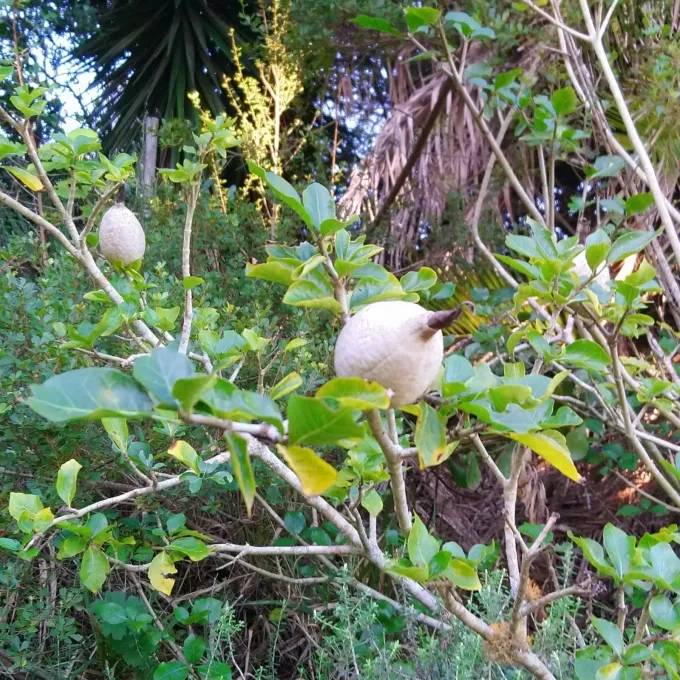
Its most distinctive feature is its spectacular white, trumpet-shaped flowers that release a potent, sweet fragrance during the night. The flowers are followed by hard, woody fruits that are botanically fascinating and add a unique structural element to the shrub throughout the seasons.
Cultivation requires well-draining, slightly acidic soil enriched with organic matter to support vigorous growth. It performs best in positions that receive full sun to partial shade, provided there is adequate shelter from harsh, drying winds that can damage the delicate foliage.
Temperature management is critical for this species. While it thrives in warm climates, it must be protected from frost. In colder regions, keeping it as a potted plant is the standard practice, allowing it to be moved indoors during extreme cold to maintain its physiological well-being.
Main diseases and pests
Like many tropical ornamental species, Gardenia thunbergia can be susceptible to spider mites, particularly in environments with low humidity. Regular misting and proper air circulation are effective cultural practices to reduce the likelihood of infestation.
Mealybugs and scale insects are common pests that target the stems and leaf axils. They extract sap, which can cause stunted growth and yellowing of the leaves. Manual removal or the application of horticultural oils is recommended upon the first sign of infestation.
Root rot remains the most significant disease threat, typically caused by waterlogged soil conditions. Implementing a high-quality drainage system in containers or ensuring deep soil aeration in the ground is essential to protect the root system from fungal pathogens.
Iron-deficiency chlorosis is frequently observed in plants grown in alkaline soils or those watered with hard, mineral-rich water. Symptoms include yellowing tissue between veins, which can be corrected through soil acidification and the application of chelated iron supplements.
Fungal infections, such as sooty mold, often develop as a secondary issue following pest infestations. Maintaining clean foliage and ensuring the plant receives adequate sunlight helps prevent the development of these mold colonies, keeping the plant healthy and vigorous.