
Gardenia ternifolia
Gardenia ternifolia
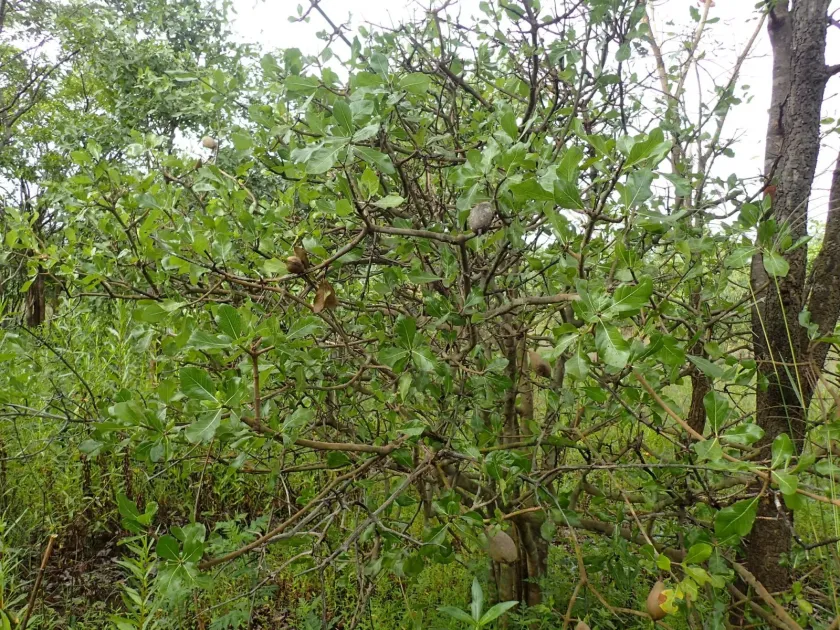
Description
Growing requirements
Gardenia ternifolia is a shrub or small tree belonging to the Rubiaceae family, native to the savanna and woodland regions of Africa. This plant is known for its ecological resilience and its significant role in traditional African herbal medicine.
The plant thrives in well-drained soils and requires plenty of direct sunlight for optimal growth. It is highly adapted to tropical climates characterized by distinct wet and dry seasons, allowing it to withstand long periods without significant rainfall once established.
Botanically, it is distinguished by its leathery, dark green leaves that grow in clusters, and its showy, fragrant flowers that bloom during the night. The fruit is a drupe containing multiple seeds and is valued for the natural pigments found within the pulp.
Economically, the species is harvested for both its medicinal properties and as a source of natural dyes. Local communities traditionally utilize various parts of the plant, including roots and bark, for their antimicrobial and anti-inflammatory properties.
Agronomically, Gardenia ternifolia is propagated through seeds. Cultivation sites should be managed to ensure adequate drainage, as the species is susceptible to root rot if water stagnation occurs for prolonged periods during the rainy season.
Main diseases and pests
Fungal pathogens represent the most significant threat to the health of this crop, particularly in environments with high humidity levels. Root rot and leaf spot are common diseases that can severely impact yield and overall plant vigor.
Insect pests such as scale insects and aphids often infest the tender stems and buds, sapping nutrients from the plant. These infestations can lead to stunted growth and reduced fruit production if left unchecked by agricultural workers.
Effective pest management involves integrated control methods, including regular field monitoring and the use of botanical or biological insecticides. Maintaining a clean cultivation environment by removing debris prevents the spread of dormant pathogens.
Abiotic stress, such as exposure to extreme temperatures outside its native range, can weaken the plant's natural defenses. Proper site selection is crucial to ensure that the microclimate supports the specific physiological needs of this species.
- Monitor irrigation levels closely.
- Implement periodic pruning to improve airflow.
- Apply organic mulch to protect the root zone.
- Use selective biological controls for pest outbreaks.