
Gardenia tannaensis
Gardenia tannaensis
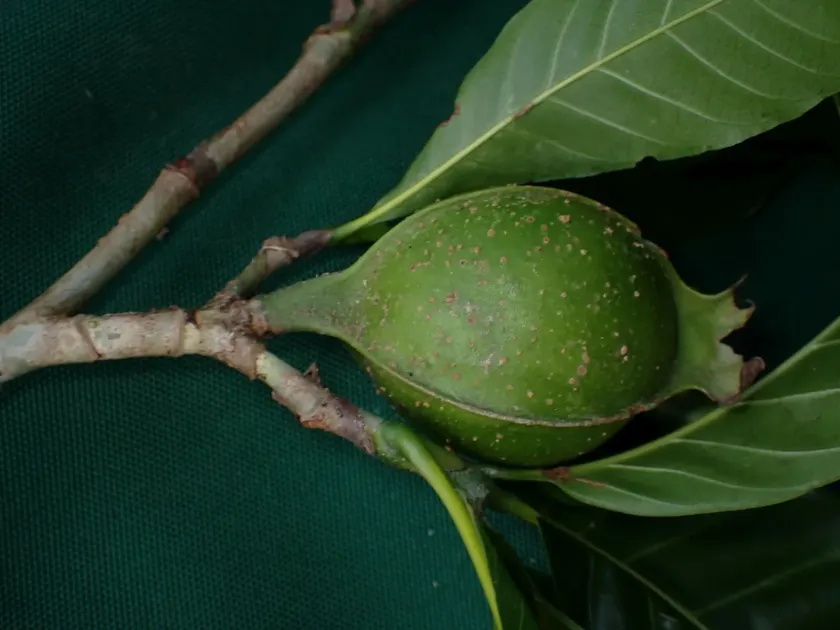
Description
Growing requirements
Gardenia tannaensis is an evergreen shrub species that belongs to the Rubiaceae botanical family, known for its elegant foliage and botanical complexity.
Originating from the archipelago of Vanuatu, this plant thrives in humid tropical environments where rainfall is consistent and temperatures remain warm throughout the year.
Cultivation requires a well-draining, acidic substrate rich in organic matter to mimic the forest floor conditions native to its natural habitat.
The plant demonstrates high sensitivity to light exposure; it prefers filtered or dappled sunlight to ensure photosynthesis without causing damage to the delicate leaf structures.
Consistent moisture levels are essential for the survival of the plant, though it must be balanced carefully to avoid root asphyxiation during periods of low evaporation.
Main diseases and pests
The most frequent pests affecting Gardenia tannaensis include spider mites and mealybugs, which thrive in indoor or greenhouse settings with poor ventilation.
Fungal infections, particularly root rot, are common threats that arise when the irrigation schedule is too aggressive or when drainage systems fail to remove excess moisture.
Nutrient deficiencies, specifically iron chlorosis, frequently manifest as yellowing leaves and require the application of chelated minerals to restore health.
Monitoring the plant for whitefly infestations is crucial, as these insects can cause significant sap loss and promote the growth of sooty mold on the foliage.
Proactive management involves integrated pest control measures and maintaining optimal spacing between specimens to prevent the rapid spread of diseases.