
Gardenia sootepensis
Gardenia sootepensis
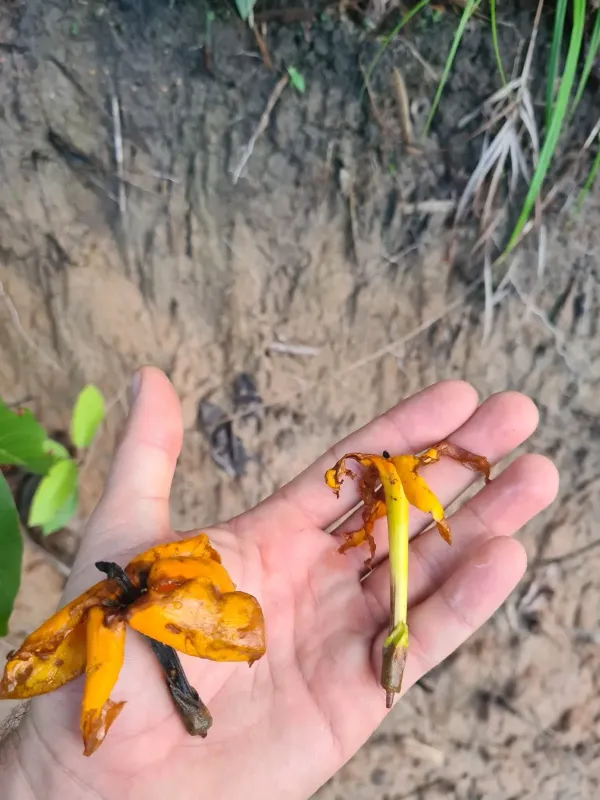
Description
Growing requirements
Gardenia sootepensis is a distinguished species within the Rubiaceae family, native to the tropical forests of Southeast Asia. This evergreen woody plant is highly valued for its intense floral fragrance and its capacity to thrive in specific subtropical and tropical climates.
The cultivation of this crop requires well-drained, acidic soil rich in organic matter. Soil aeration is paramount for the health of Gardenia sootepensis, as the root system is highly sensitive to hypoxia caused by waterlogged or compacted heavy clay substrates.
Temperature and light management are critical in agricultural practice. The plant performs best in environments with high ambient humidity and filtered light, avoiding the harsh midday sun which can lead to leaf scorching and premature loss of floral buds.
Botanically, the plant is characterized by its glossy, deep green leaves and complex white-to-cream flowers. These blossoms exhibit a high oil content, making them a subject of interest for both decorative nurseries and the botanical extract industry.
Agricultural use focuses on commercial greenhouse production where environmental factors can be strictly controlled. Proper management of nitrogen-based fertilizers and micronutrient supplements is essential to support the vigorous growth cycle of this ornamental species.
Main diseases and pests
Common agricultural threats to Gardenia sootepensis include spider mites and scale insects. These pests proliferate rapidly in dry environments, making it necessary to implement integrated pest management strategies to maintain plant vigor.
Root rot, primarily caused by species of Phytophthora, is a frequent threat when soil drainage is compromised. Agricultural technicians must monitor moisture levels diligently to prevent the conditions that favor fungal pathogen growth.
Nutrient deficiency, specifically iron chlorosis, can significantly hinder photosynthesis and overall growth rate. Regular soil testing and the application of chelated micronutrients are standard procedures for high-yield cultivation of this specific Gardenia species.
Aphids can cause substantial damage to young foliage and flowering stems. A proactive approach involving the use of eco-friendly biological controls or systemic insecticides is recommended to protect the crop's market quality during the peak growing season.
Maintaining proper air circulation within the plant canopy is a fundamental cultural practice to reduce humidity pockets. This simple mechanical measure is highly effective in preventing powdery mildew and other common foliar diseases.