
Gardenia resiniflua
Gardenia resiniflua
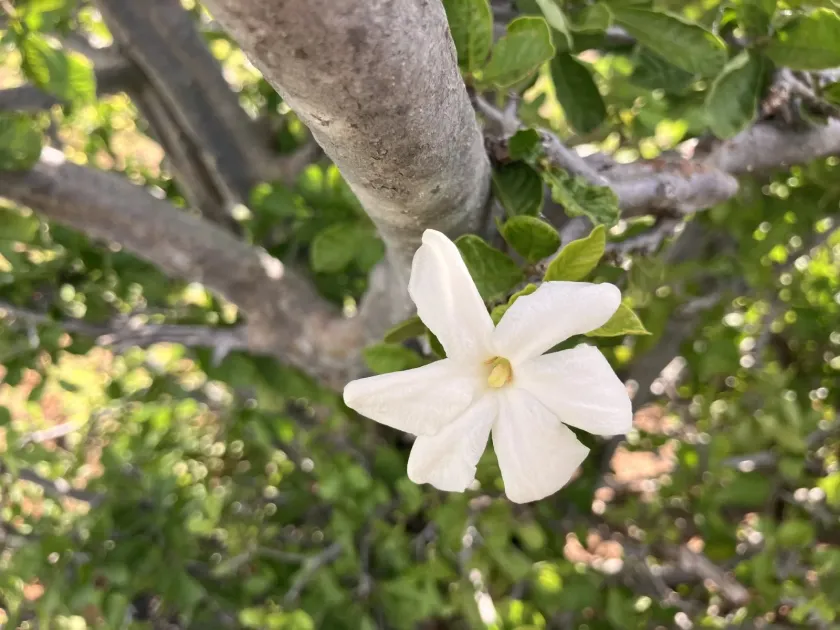
Description
Growing requirements
Gardenia resiniflua is a prominent member of the Rubiaceae family. This woody shrub is native to the tropical and subtropical landscapes of Southern Africa, typically thriving in woodland environments and riverine corridors where the microclimate provides consistent humidity.
The plant requires well-drained, nutrient-rich soils with a slightly acidic profile. In a managed agricultural setting, it is essential to ensure that the substrate is loose enough to prevent waterlogging while maintaining moisture balance for optimal root health.
Climate requirements involve stable tropical temperatures, ideally between 20 and 28 degrees Celsius. The species is highly intolerant of frost, meaning that cultivation outside its native range requires greenhouse conditions or carefully controlled indoor environments.
Agronomic management relies heavily on consistent irrigation and protection from direct, scorching sun. The plant responds well to organic fertilization, which mimics the natural nutrient cycling found in its native woodland habitats.
Botanically, it is defined by its glossy foliage and a distinctive sticky resin that covers the buds. This resin acts as a natural protective coating against moisture loss and environmental stressors, which is a key adaptive feature of the species.
Harvesting
Economic and horticultural use of Gardenia resiniflua centers on its potential in the essential oil industry and its ornamental value. The intensely fragrant flowers are highly sought after for their complex aromatic profile.
The harvesting of resinous parts of the plant is usually performed manually to maintain the integrity of the sticky secretions. Proper timing is critical, as the resin concentration fluctuates based on the seasonal growth cycle of the shrub.
The timber of this species is recognized for its durability and hardness. It has been historically utilized in traditional craftsmanship for small-scale woodturning and the creation of durable, decorative, and functional household objects.
Future agricultural productivity depends on optimizing the density of plantations and refining the extraction methods for plant resins. Ongoing research focuses on improving the yield of active compounds found in the buds.
Sustainable harvesting techniques, including rotational pruning and selective branch removal, are essential for ensuring the long-term health of the shrubs. Proper post-harvest handling includes immediate processing to stabilize the volatile components within the resin.