
Gardenia posoquerioides
Gardenia posoquerioides
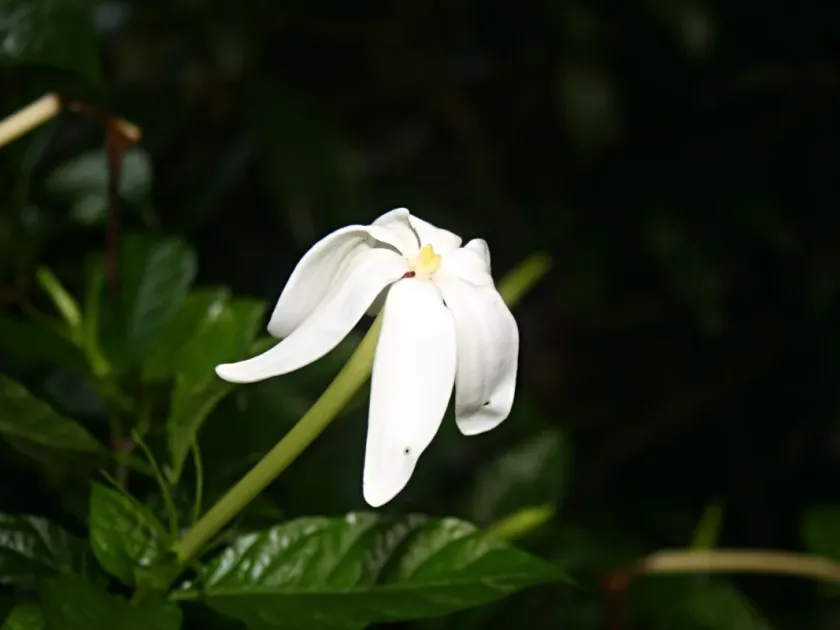
Description
Growing requirements
Gardenia posoquerioides is a representative of the Rubiaceae family, typically growing as a woody evergreen shrub or a small tree. It is recognized for its elegant foliage and fragrant blooms, typical of the diverse Gardenia genus found in tropical regions.
The plant originates from the tropical ecosystems of Southeast Asia. In its natural habitat, it thrives in shaded or semi-shaded environments with high ambient humidity, which is essential for maintaining the health of its broad, deep-green leaves.
Successful cultivation requires soil that is rich in organic matter and maintains a slightly acidic pH. The plant performs best in a well-drained medium; waterlogged soil can lead to rapid root degradation and overall decline in plant vigor.
Climate management is crucial, as this species cannot tolerate frost. It requires a temperature range between 20°C and 28°C. Protecting the plant from harsh direct sunlight during the peak of the day prevents scorched leaves and maintains foliage luster.
Economically, Gardenia posoquerioides is primarily valued as an ornamental species. It is widely used in landscape projects within tropical climates and as a prized specimen in controlled environment greenhouses, valued for its high aesthetic appeal and fragrance.
Main diseases and pests
The most common pests include spider mites, which thrive in dry environments. These pests cause significant damage by piercing leaf tissue, resulting in chlorotic spots and premature leaf abscission.
Scale insects and mealybugs frequently colonize the stems and leaf axils. These pests drain the plant's resources and often require systematic insecticide treatment to ensure the shrub remains healthy and productive.
Fungal pathogens, particularly those causing root rot, are often linked to poor irrigation management. Maintaining adequate soil aeration and ensuring the drainage system works correctly is the best preventive strategy against these threats.
Powdery mildew may occur in poorly ventilated areas where humidity levels remain stagnant. Early detection and the application of appropriate systemic fungicides are necessary to contain the spread of the infection.
Physiological disorders, such as iron-deficiency chlorosis, are common if the soil pH becomes too alkaline. Monitoring the substrate's chemical properties is vital to ensure the plant can efficiently uptake necessary nutrients for consistent growth.