
Gardenia jovis-tonantis
Gardenia jovis-tonantis
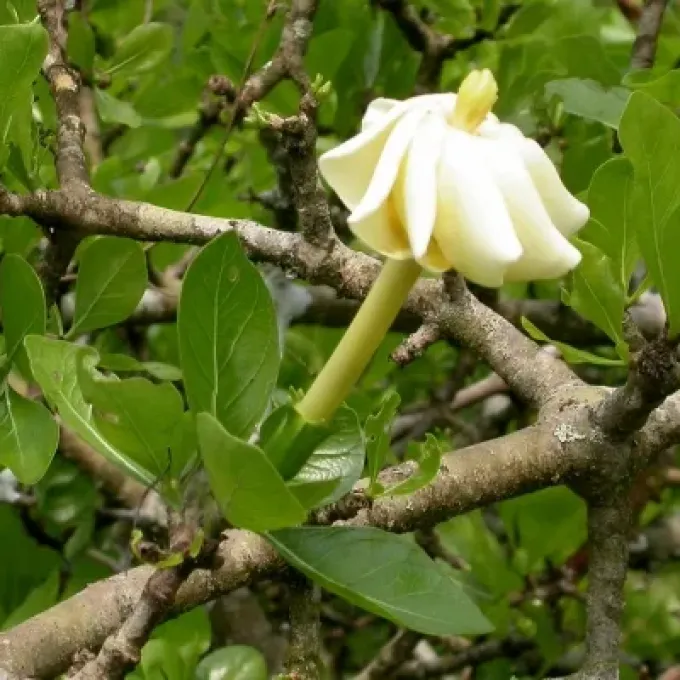
Description
Growing requirements
Gardenia jovis-tonantis is a woody plant species belonging to the Rubiaceae family. In its natural habitat, it manifests as a shrub or small tree that can reach considerable heights under favorable tropical conditions.
The plant is native to African savannahs and woodland areas, which dictates its preference for well-drained, nutrient-rich soils. It requires consistent light exposure to maintain healthy foliage and initiate the flowering process.
Climatic requirements are focused on heat and moderate humidity. As a tropical species, it does not tolerate frost or cold drafts, which necessitates controlled environments or specific geographic positioning for field cultivation.
Agricultural management involves deep soil preparation and the maintenance of a slightly acidic pH level. Regular irrigation during the growth phase is vital to ensure that the root system remains stable and capable of supporting vegetative development.
Botanical highlights include the distinct morphology of its leathery leaves and fragrant flowers, which contribute to its ecological value. The plant's structure allows it to thrive in competitive environments by utilizing its deep root system efficiently.
Main diseases and pests
Common pests such as spider mites and scale insects represent the most significant threat to the health of Gardenia jovis-tonantis. These insects exploit the leaf tissue, causing stunted growth and potential nutrient deficiencies.
Fungal diseases, including powdery mildew, frequently occur when air circulation is poor and humidity levels remain persistently high. Strategic pruning can enhance airflow, significantly reducing the probability of an outbreak.
Root rot is a critical risk factor associated with poor water management and stagnant soil conditions. Providing adequate drainage is the most effective preventative measure to ensure the long-term viability of the crop.
Chlorosis, manifesting as leaf yellowing, is a common symptom of nutrient imbalance, particularly iron deficiency. Implementing chelated micronutrient fertilizers can successfully remediate these conditions.
Sanitation practices, such as removing fallen leaves and pruning infected twigs, are essential for pest and disease management. Regular monitoring ensures that interventions are timely and minimize damage to the overall yield.