
Gahnia setifolia
Gahnia setifolia
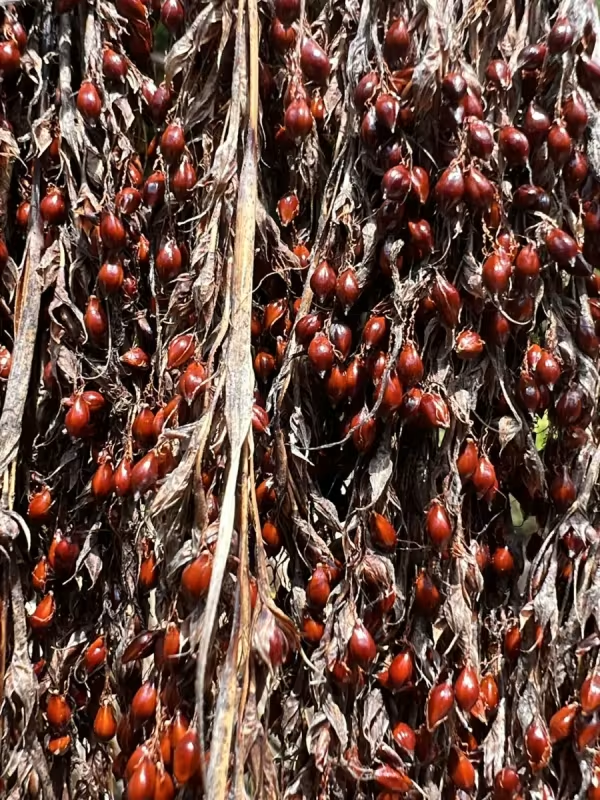
Description
Growing requirements
Gahnia setifolia, a member of the Cyperaceae family, is a robust perennial sedge native to the diverse landscapes of New Zealand. It is highly regarded for its structural form and its ability to thrive in various ecological niches ranging from forest margins to shrublands.
The plant is defined by its dense, tufted growth habit and long, serrated, razor-sharp leaves that form substantial clumps. These clumps can reach considerable heights, providing a significant vertical element in naturalistic planting schemes.
Regarding growth requirements, this species demands well-drained soil and prefers areas with consistent moisture levels. While it is tolerant of a variety of soil types, including poor or nutrient-deficient substrates, it thrives best in environments that mimic its native moist, temperate climate.
Agricultural and horticultural management involves choosing sites that receive adequate sunlight to promote dense growth. While the plant is hardy, it requires sufficient space to accommodate its size, as crowding can hinder proper air circulation around the base of the plant.
Its primary use is within landscape architecture, where it is utilized for its architectural foliage and erosion control capabilities. It serves as an excellent filler for large-scale gardens, parks, and restoration projects aimed at re-establishing native flora.
Main diseases and pests
The main threats to the plant's health include fungal pathogens that emerge in poorly ventilated, overly damp areas. Root rot is a significant concern if the drainage is insufficient, often leading to decline in the vigor of the central clumps.
Pest issues include occasional infestations of chewing insects and mites that can damage the leaf blades. Maintaining clean growing conditions and ensuring the plant has enough spacing to dry out after rain are effective preventative measures against most threats.