
Gahnia lacera
Gahnia lacera
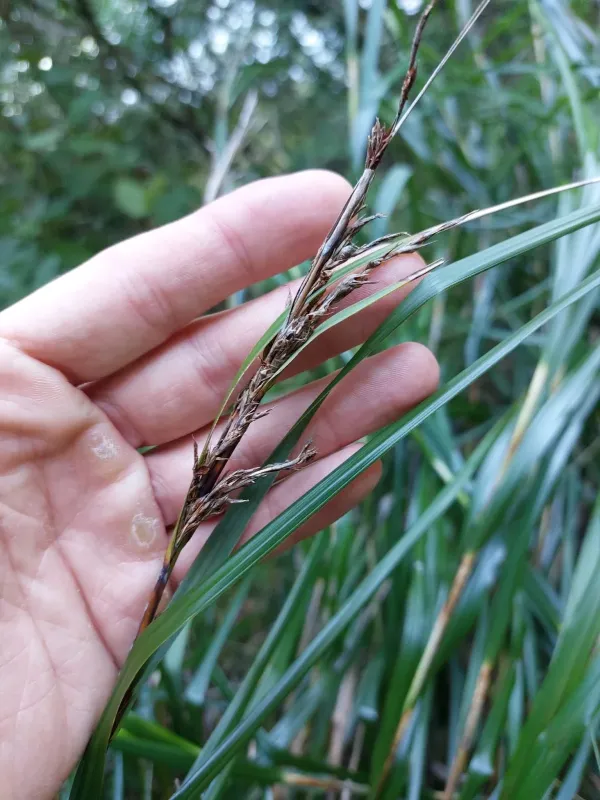
Description
Growing requirements
Gahnia lacera is a perennial monocot belonging to the Cyperaceae family. Native to New Zealand, this species is well-known for its architectural presence in coastal forests and shrublands where it occupies specific ecological niches.
The plant features distinctive, robust, and serrated leaf blades that form dense tufts. Its root structure is exceptionally strong, making it an excellent choice for stabilizing loose or sandy soils in specialized agricultural or design projects.
This species requires well-drained soil to thrive, showing a preference for slightly acidic conditions. Adequate sunlight is essential for the plant to maintain its structural integrity and achieve optimal growth rates throughout the season.
Regarding climate, Gahnia lacera is adapted to mild, maritime environments. It performs best in areas where extreme frost is absent, and it demonstrates reasonable drought tolerance once fully established in the landscape.
Economically, it is highly valued for ornamental and restorative purposes. Beyond aesthetics, the plant has historical significance in indigenous crafts, where its durable leaves were processed for various utility items.
Main diseases and pests
The most significant threat to Gahnia lacera is root rot, which typically develops in poorly drained, waterlogged substrates. Maintaining soil aeration is the primary method of preventing such pathological conditions.
Pests such as scale insects and spider mites are common concerns, particularly when the plants are cultivated in protected or greenhouse environments with low air circulation levels.
Competition from aggressive weeds is a primary challenge during the establishment phase. Proper site preparation and the application of organic mulch are necessary to ensure the plant gains dominance in its area.
Severe winds or physical trauma can damage the foliage, leading to secondary infections. It is recommended to position the plants in areas that offer protection from intense, constant wind gusts.
Integrated pest management, involving both biological controls and physical monitoring, is the recommended strategy for keeping the plants healthy without relying solely on chemical pesticides.