
Gahnia pauciflora
Gahnia pauciflora
Description
Growing requirements
Gahnia pauciflora is a robust perennial plant belonging to the Cyperaceae family, widely known as the sedge family. This species is indigenous to New Zealand, thriving primarily in forested areas and moist, sheltered habitats across both the North and South Islands.
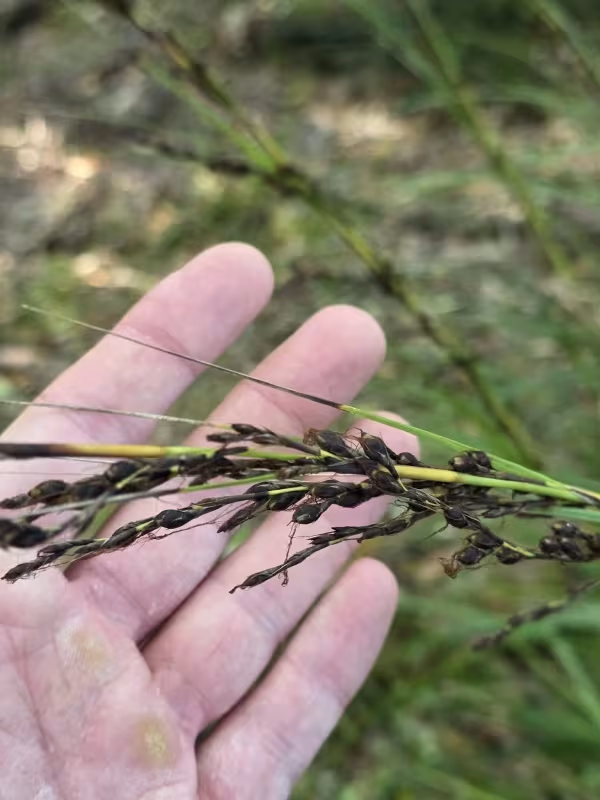
Botanically, it is characterized by its tufted growth habit and long, slender, rigid leaves. These leaves often have serrated margins, which is a common trait among many Gahnia species, providing a distinct texture in natural and cultivated landscapes.
Regarding climatic needs, this plant prefers cool to temperate conditions with consistent rainfall. It is well-adapted to high-humidity environments and requires protection from extreme, scorching heat, which can cause the leaf tips to brown significantly.
The soil requirements are specific: it thrives in acidic to neutral, well-draining soils that are rich in organic matter. While it prefers moist conditions, it is critical to avoid waterlogged environments, as the root system is prone to hypoxia if drainage is inadequate.
In terms of agricultural and horticultural use, Gahnia pauciflora is prized as an ornamental plant for wild-style gardens and ecological restoration projects. Its year-round structural presence makes it an excellent choice for adding depth and texture to perennial borders.
Main diseases and pests
Common threats to Gahnia pauciflora in a garden setting include root rot pathogens, which are typically triggered by excessive moisture and poor soil aeration. This is especially problematic during wet winter months if the soil does not drain correctly.
Pests such as slugs and snails are significant threats, particularly during the early growth stages. These gastropods can cause extensive damage to the foliage, necessitating vigilant monitoring and protective measures in the nursery or garden plot.
Infections by fungal pathogens can affect the health of the plant if humidity levels remain too high for extended periods without adequate air circulation. Keeping the base of the plant clear of debris is a vital maintenance step for disease prevention.
Scale insects can occasionally infest the stems, extracting sap and weakening the plant over time. Regular inspections are necessary to detect these pests early, allowing for targeted management before a widespread infestation occurs.
While the plant is generally hardy once established, it remains susceptible to physical damage and compaction of the soil around the root crown. Minimizing disturbance to the soil ensures that the plant maintains its vigor and resistance to opportunistic pests.