
Superb pink
Dianthus superbus L.
Description
Sowing dates
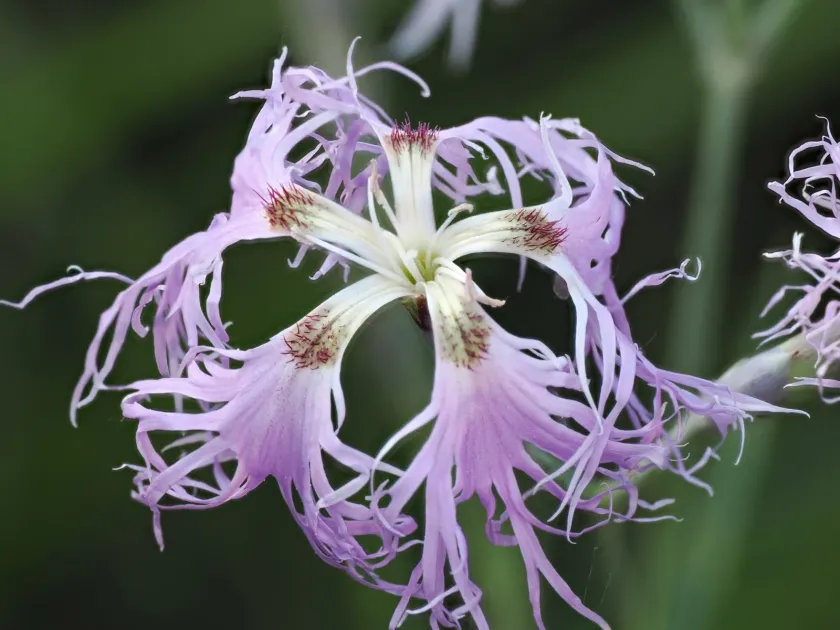
Dianthus superbus L., commonly known as the superb pink, is a perennial herbaceous plant belonging to the Caryophyllaceae family. It is a hardy species widely valued for its deeply fringed, fragrant flowers and high adaptability to various temperate climatic conditions.
Sowing should take place in early spring, typically in April, once the soil has warmed up sufficiently. Seeds can also be sown in late autumn to benefit from natural stratification, ensuring better germination rates during the following growing season.
When starting seeds indoors, use a well-draining, sterile seed-starting mix. Maintain a temperature of approximately 20 degrees Celsius. Seedlings are ready for transplanting once they develop two or three pairs of true leaves and have been properly hardened off.
The spacing between plants should be around 25 centimeters to allow for proper air circulation, which is crucial for reducing humidity-related diseases. Uniform moisture is required during the germination phase but avoid waterlogging the soil.
Dianthus superbus exhibits strong root development, which allows it to establish quickly after planting. Ensure the crown of the plant remains slightly above the soil surface to prevent potential rot issues during the early growth stage.
Growing requirements
This crop thrives in sunny locations with well-drained, fertile soil. It is particularly sensitive to soil drainage; sites with heavy clay or poor water runoff must be improved with sand or organic amendments to prevent root rot during wet seasons.
The optimal soil pH range for Dianthus superbus is neutral to slightly alkaline. In acidic soils, incorporating agricultural lime is highly recommended to correct the pH balance and promote healthy, vigorous growth throughout the vegetative cycle.
Nutrient management involves applying a balanced fertilizer during the early spring and at the start of the budding phase. Excessive nitrogen fertilization should be avoided as it promotes leafy growth at the expense of floral production.
Regular maintenance includes weeding, as the crop does not compete well with vigorous grasses. Mulching with inorganic materials like fine gravel can help keep the root zone cool while providing the necessary drainage around the base of the plant.
Watering should be conducted as needed, allowing the surface of the soil to dry out between sessions. This practice encourages deeper root penetration and helps the plants build resistance against occasional drought conditions.
Main diseases and pests
Dianthus superbus is generally resistant to many pests, but it remains susceptible to fungal issues such as rust and Fusarium wilt. These pathogens often emerge in environments with high humidity and poor air circulation, causing leaf spotting and stem decay.
Aphids and spider mites are the most common pests affecting this crop. They tend to cluster on the underside of leaves and near developing flower buds, causing stunted growth and loss of aesthetic appeal if left untreated.
Integrated pest management (IPM) is essential for maintaining a healthy crop. This includes regular scouting for early signs of infestation and applying targeted insecticides or acaricides only when economic thresholds are met.
Disease management relies heavily on preventative measures, such as providing adequate space between plants and avoiding overhead irrigation. Removing dead plant matter at the end of the season prevents the overwintering of spores.
By implementing these agrotechnical practices, growers can ensure consistent production and longevity of the plantings, minimizing the need for heavy chemical interventions throughout the year.