
Yellow-wood
Flindersia xanthoxyla
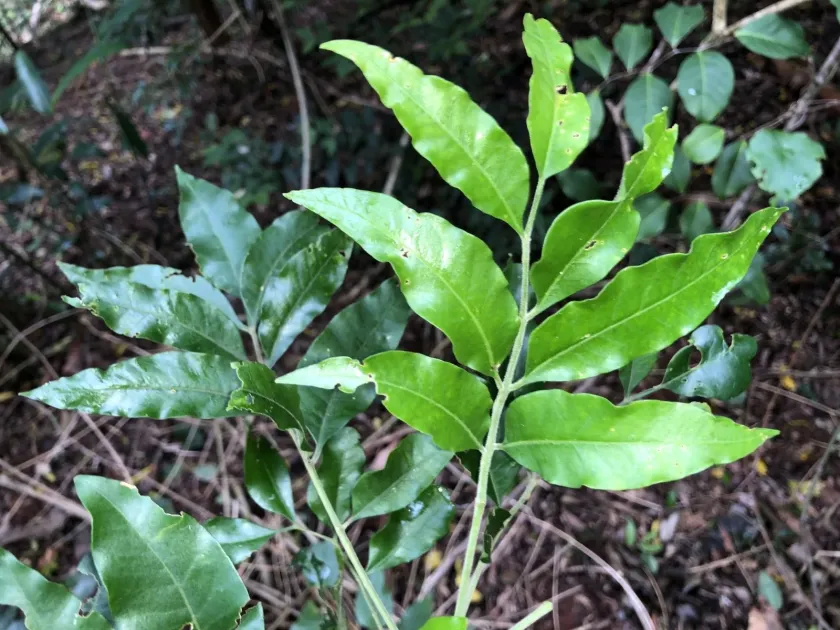
Description
Growing requirements
Flindersia xanthoxyla, known as the Yellow-wood, is a species of evergreen tree within the Rutaceae family. It is a prominent tree native to the subtropical rainforests of eastern Australia, recognized for its sturdy structure and valuable wood characteristics.
The tree thrives in warm, humid climates with stable rainfall patterns, reflecting its natural habitat. It prefers deep, nutrient-rich soils that offer good drainage, which is crucial for preventing root rot and ensuring long-term health.
In terms of light requirements, young specimens benefit from filtered sunlight to prevent leaf scorching, whereas mature trees are better suited for open canopy positions. Protection from extreme frost is essential, as the species is not adapted to cold temperate climates.
Agrotechnical management involves meticulous soil preparation, including organic enrichment to mimic the nutrient-dense forest floor. Regular monitoring of soil moisture levels is necessary during the establishment phase, especially in regions with distinct dry seasons.
Spacing is a critical factor for plantation management, as the tree requires sufficient area to develop a robust root system and a spreading crown. Proper spacing also improves air circulation, which helps reduce the risk of humidity-related diseases.
Main diseases and pests
Flindersia xanthoxyla is susceptible to a variety of leaf-eating insects that can cause significant defoliation if left unchecked. Integrated pest management (IPM) strategies are essential to manage these populations effectively without harming the environment.
Fungal pathogens pose a risk, especially in environments with poor soil drainage or excessive canopy density that restricts airflow. Maintaining optimal spacing and ensuring proper water management can significantly mitigate the prevalence of these diseases.
Invasive weed species often outcompete young saplings for nutrients and light, posing a severe threat to successful cultivation. Regular weeding and the use of mulch are standard practices to suppress weed growth during the early years of development.
Environmental stressors such as prolonged drought can weaken trees, making them more susceptible to secondary pests and infections. Providing supplemental irrigation during periods of severe drought can help preserve the vigor of the plantation.
Research into disease-resistant cultivars is ongoing to address the challenges posed by local pests and environmental changes. By fostering genetic diversity, foresters can improve the resilience of Flindersia xanthoxyla stands against emerging threats.
Harvesting
The primary economic utility of Flindersia xanthoxyla lies in its high-quality timber, often called yellow-wood due to the distinct golden color of the heartwood. This wood is highly prized for its density, durability, and resistance to decay.
It is extensively utilized in fine furniture manufacturing, flooring, and intricate cabinetry work. Its workability and aesthetic appeal make it a preferred choice for high-end interior design and decorative woodcraft applications.
Harvesting is typically conducted through sustainable forestry practices, ensuring that removals are balanced by new plantings. This approach is vital to maintain the ecological integrity of the forests and ensure the availability of the resource for future generations.
The wood's mechanical properties allow it to withstand significant stress, making it suitable for structural elements in boutique architectural projects. Modern processing techniques ensure maximum yield and minimal waste during the milling process.
Besides its timber value, the species is an excellent candidate for large-scale landscaping and reforestation projects in its native range. These efforts contribute to biodiversity and support the maintenance of natural ecosystem services.