
Flindersia australis
Flindersia australis
Description
Growing requirements
Flindersia australis, commonly known as Australian teak or Crow's ash, is a majestic tree species within the Rutaceae family. It is native to the coastal regions of eastern Australia, thriving in subtropical rainforest environments.
The tree typically demands deep, fertile, and well-drained loamy soils to reach its full potential. In an agricultural or forestry setting, it requires a frost-free, warm climate to ensure consistent annual growth rates and healthy foliage development.
Agronomic management focuses on early seedling protection, as young plants require partial shade and steady moisture levels. As the tree matures, it becomes significantly more robust and tolerant to environmental fluctuations.
The economic value of this crop is primarily linked to its timber, which is renowned for its strength, density, and natural resistance to decay. It is widely utilized in high-end joinery, structural building components, and specialty furniture making.
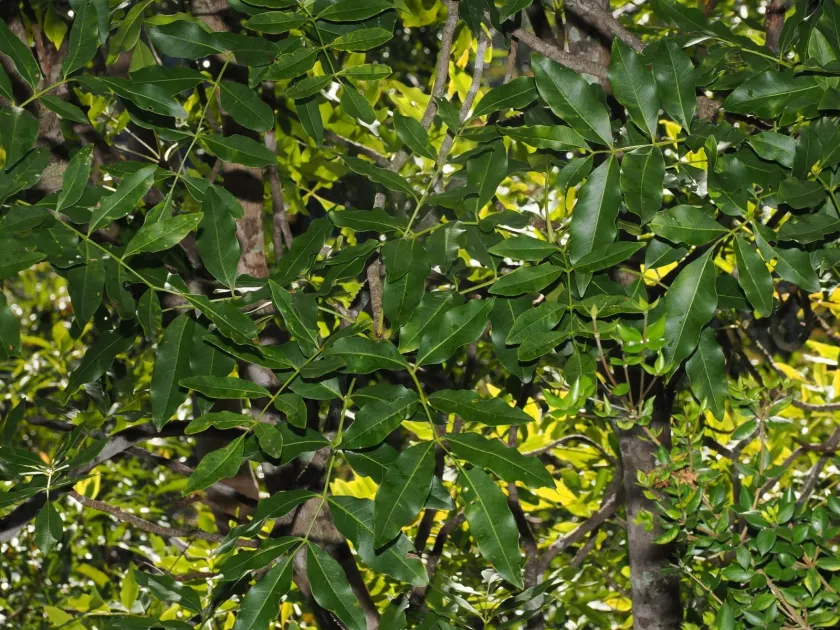
Botanically, the species is characterized by its pinnate leaves and unique woody fruit capsules that split open when mature. This specialized reproductive mechanism is highly adapted for the dispersal of its winged seeds within the forest ecosystem.
Main diseases and pests
The primary biotic threats to Flindersia australis include wood-boring insects and leaf-eating beetles that can cause significant damage to young plantations and hinder healthy development.
Root rot, specifically caused by soil-borne fungi, represents a major risk factor if the site selection results in poor drainage or waterlogging, which weakens the root system's integrity.
Environmental stresses, particularly prolonged drought combined with high temperatures, can increase the tree's susceptibility to secondary pathogens and pests, which exploit the tree's reduced vitality.
Mechanical damage to the bark and trunk often serves as a point of entry for various bacterial and fungal infections, necessitating careful management during maintenance or harvesting activities.
Sustainable forestry practices, including regular monitoring and the maintenance of soil health, are essential to mitigate these threats and ensure the longevity of Flindersia australis stands.