
Flindersia pimenteliana
Flindersia pimenteliana
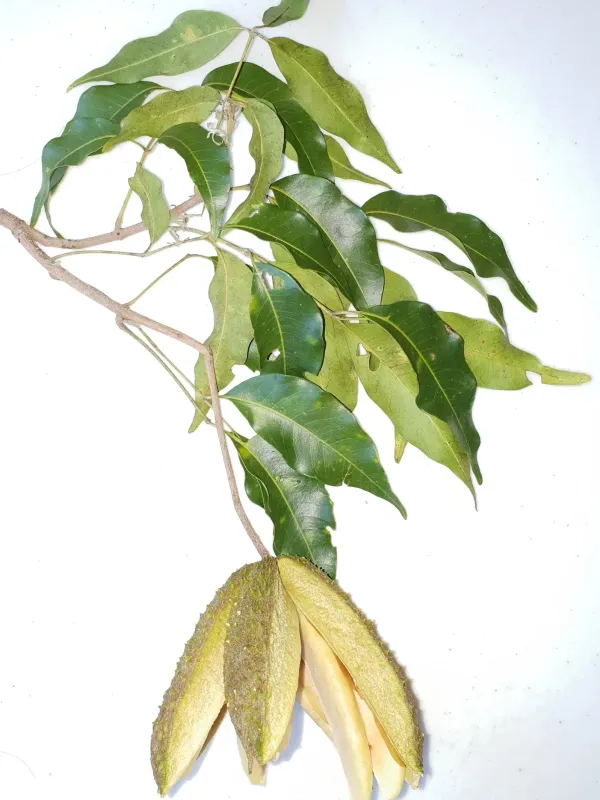
Description
Growing requirements
Flindersia pimenteliana is a prominent tree species belonging to the Rutaceae family. It is widely recognized for its high-quality timber and its natural habitat within the tropical rainforests of Queensland, Australia.
This crop requires a tropical climate with consistently high humidity and warm temperatures. It thrives in environments where rainfall is abundant, and it cannot survive frosts or prolonged dry spells during the growth phase.
The ideal soil for this species consists of deep, fertile, and well-drained loams. Proper soil aeration is essential to prevent root asphyxiation, which is a common issue for this species when planted in heavy or waterlogged substrates.
In terms of light management, young trees benefit from partial shade, while mature trees require full sunlight exposure to maintain robust health and optimal stem diameter growth over time.
The primary economic use of Flindersia pimenteliana is the production of premium timber. Its wood is highly valued in the furniture industry for its durability, fine grain, and excellent working characteristics during manufacturing processes.
Main diseases and pests
Root rot pathogens represent the most significant threat to the health of these trees. These diseases typically manifest in soils with poor drainage, making rigorous irrigation management a top priority for agricultural success.
Wood-boring insects can cause substantial structural damage to the timber, rendering the wood unsuitable for high-end applications and significantly reducing the overall profitability of the plantation.
Defoliating insects can pose a major risk to nursery stock. Without effective pest management strategies, these pests can strip the foliage, leading to stunted growth or even the mortality of young saplings.
Competition from aggressive weed species can severely limit access to soil nutrients and water, especially in the early stages of establishment, necessitating consistent weeding cycles.
Wind damage is a constant concern for trees in open plantations. Strong winds can cause structural weakness or mechanical breakage, which leaves the timber vulnerable to fungal decay through the wounded areas.