
Flindersia schottiana
Flindersia schottiana
Description
Growing requirements
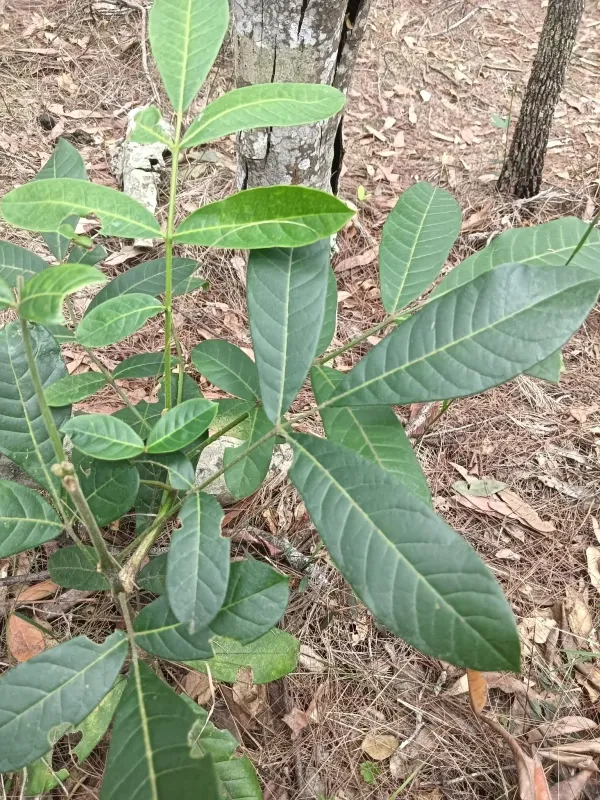
Flindersia schottiana, commonly known as Bumpy Ash or Cudgerie, is a significant tree species within the Rutaceae family. It is a large, evergreen tree that stands out due to its impressive height, which can reach up to 40 meters in its native habitat.
The species is indigenous to the subtropical and tropical rainforests of eastern Australia and parts of Papua New Guinea. It thrives in regions characterized by high rainfall and fertile, well-draining soils rich in organic matter.
The tree requires a warm, frost-free climate to reach its full potential. While it can adapt to various light conditions, it prefers full sun or light shade, ensuring that the development of its dense, lush canopy remains vigorous throughout its lifespan.
Agronomic management involves selecting appropriate sites with deep soil profiles. Young trees require supplemental irrigation during dry spells to ensure establishment, though mature trees are remarkably resilient once their root systems are well-anchored in the subsoil.
Its timber is highly prized in the forestry industry for its strength, durability, and fine grain. It is commonly utilized for high-quality furniture making, interior joinery, and specialized construction projects where rot resistance and beauty are paramount.
Main diseases and pests
The primary threats to Flindersia schottiana include soil-borne fungal pathogens, which can cause root rot if the planting site suffers from poor drainage. Proper site selection and land grading are essential to prevent water accumulation near the base.
Pests such as wood-boring beetles can cause significant damage to the trunk and branches of vulnerable trees. Regular monitoring is advised, especially in younger plantations, to detect early signs of infestation and prevent extensive timber degradation.
Competition from aggressive weed species can inhibit the growth of young seedlings during the initial years. Implementing an effective weed control strategy using mulching or selective mechanical methods is necessary for successful plantation development.
Nutrient deficiencies, specifically in trace elements, can manifest as leaf yellowing. Routine soil testing and the application of balanced, slow-release fertilizers are recommended to maintain optimal growth rates and structural integrity of the timber.
Environmental stress, such as extreme storm events, can cause branch breakage in canopy-dense areas. Pruning and thinning protocols should be established to promote a healthy tree structure and reduce the risk of structural failure during high winds.