
Flindersia brayleyana
Flindersia brayleyana
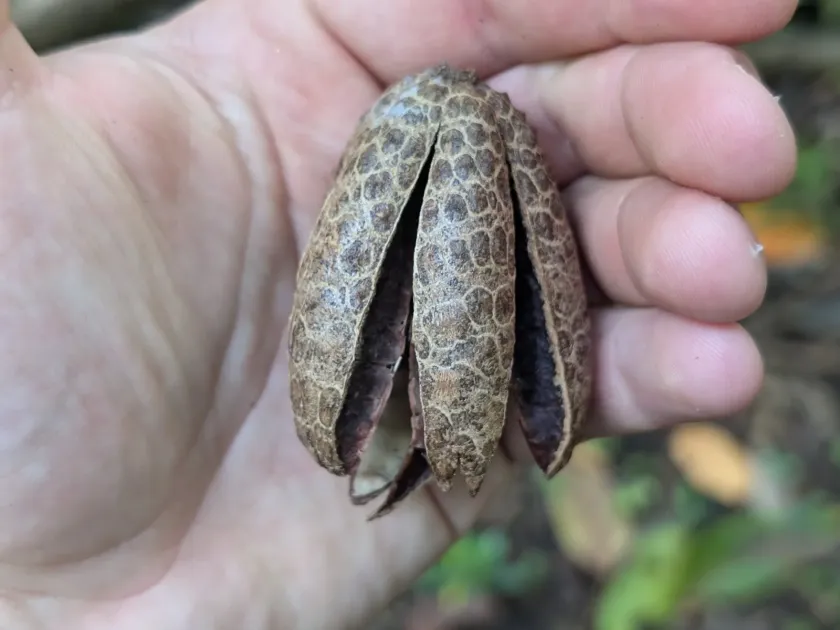
Description
Growing requirements
Flindersia brayleyana, commonly known as Queensland Maple, is a significant timber tree species belonging to the family Rutaceae. It is native to the tropical rainforests of northeastern Queensland, Australia, where it thrives in high-rainfall environments.
The tree typically reaches impressive heights, often exceeding 30 meters in its natural habitat, with a straight and cylindrical bole. This growth habit makes it highly desirable for silvicultural operations and plantation forestry in suitable tropical zones.
Cultivation requires deep, well-drained, and fertile soils rich in organic matter. Flindersia brayleyana is sensitive to waterlogged conditions, making proper site selection and soil preparation essential for the survival and long-term health of the young trees.
The climate must be tropical or subtropical, characterized by consistently warm temperatures and freedom from severe frost. Environmental stress, particularly sudden cold spells, can cause significant dieback in younger stands, necessitating careful geographical planning.
Silvicultural management involves maintaining proper spacing to encourage vertical growth and crown development. Early-stage maintenance is crucial, as the tree requires protection from direct competition with invasive weeds and secondary forest growth during its establishment period.
Yield
Flindersia brayleyana is primarily valued for its high-quality timber, often marketed as Queensland Maple. The wood is light, strong, and highly prized for its excellent workability, making it a favorite among woodworkers and furniture manufacturers.
The timber exhibits great stability and resistance to warping, which is ideal for high-end applications such as aircraft construction, musical instrument components, and fine interior joinery. Its beautiful grain makes it a premium choice for decorative veneers.
Plantation yields are achieved through sustainable harvesting cycles. While the rotation period is relatively long, the high market value of the timber ensures strong returns for forestry operations that adhere to modern standards of sustainable forest management.
Beyond its industrial application, the tree is aesthetically pleasing, with a dense, evergreen canopy. It is occasionally used in public landscaping and urban forestry projects within tropical regions, contributing to both biodiversity and local environment cooling.
Productivity is maximized through balanced nutrient management and strategic thinning. By optimizing the stand density, foresters can ensure that each tree receives sufficient sunlight and soil resources to reach its full potential size in a shorter duration.
Main diseases and pests
Fungal leaf diseases are the most common concern, particularly in areas with poor airflow and high humidity. These pathogens can affect the photosynthetic efficiency of the tree, potentially slowing the growth rate if not addressed with proper silvicultural thinning.
Insect pests, including various foliage-eating beetles and wood-boring insects, can cause localized damage. Integrated Pest Management (IPM) practices, including regular health monitoring, are recommended to maintain plantation health and prevent widespread outbreaks.
Young plantations are vulnerable to mammal damage, such as browsing by wallabies or wild rodents. Physical barriers around young seedlings are often a mandatory management step to ensure that the trees reach a size where they are less susceptible to bark stripping.
Root rot, often associated with soil compaction or poor drainage, remains a persistent threat. Ensuring that the plantation site has adequate natural or artificial drainage is the primary defense against this fatal condition for mature trees.
- Routine site monitoring for early pest detection.
- Implementation of protective fencing for young saplings.
- Strategic pruning for crown health and ventilation.