
Flindersia dissosperma
Flindersia dissosperma
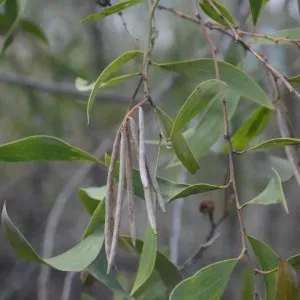
Description
Growing requirements
Flindersia dissosperma, commonly known as leopard wood, is a notable species within the Rutaceae family. Native to the arid and semi-arid regions of Queensland and New South Wales, it is a hardy tree adapted to survive in challenging Australian conditions.
The tree thrives in full sun exposure and is highly tolerant of drought once established. It prefers well-draining soil but demonstrates a remarkable ability to persist in diverse soil profiles, including clay-based substrates common in its natural range.
Botanically, this species is recognized for its distinctive appearance and long, narrow leaves. The tree produces a high-quality, durable timber, which has historically been utilized for specialty woodwork, furniture, and tool handles due to its density and strength.
In terms of cultivation, seedlings require consistent weed management and protection during their initial growth stages to ensure proper establishment. Once mature, the tree acts as a robust component of the landscape, requiring minimal maintenance.
Beyond its economic value, Flindersia dissosperma provides significant environmental benefits. It contributes to soil stability and offers essential habitat and resources for native wildlife species within the ecosystem.
Main diseases and pests
The most common threats to Flindersia dissosperma involve soil pathogens that thrive in waterlogged environments. Ensuring adequate drainage is essential to prevent root rot and ensure long-term viability of the stand.
Wood-boring insects present a potential risk to the health of older trees. Regular monitoring is necessary to identify early signs of infestation and prevent extensive damage to the tree's internal structure.
Fungal pathogens may enter the tree through damaged bark or improper pruning cuts. It is recommended to perform any necessary maintenance during dry periods to facilitate rapid wound healing and minimize infection risks.
Weed competition remains the primary limiting factor for young saplings. Utilizing organic mulch around the root zone helps to suppress competing vegetation and conserve soil moisture during hot seasons.
Occasional nutrient deficiencies, indicated by leaf yellowing, can be addressed through targeted fertilization. Assessing soil quality periodically ensures that the plants receive the macro and micronutrients needed for optimal health.