
Filago tyrrhenica
Filago tyrrhenica
Description
Growing requirements
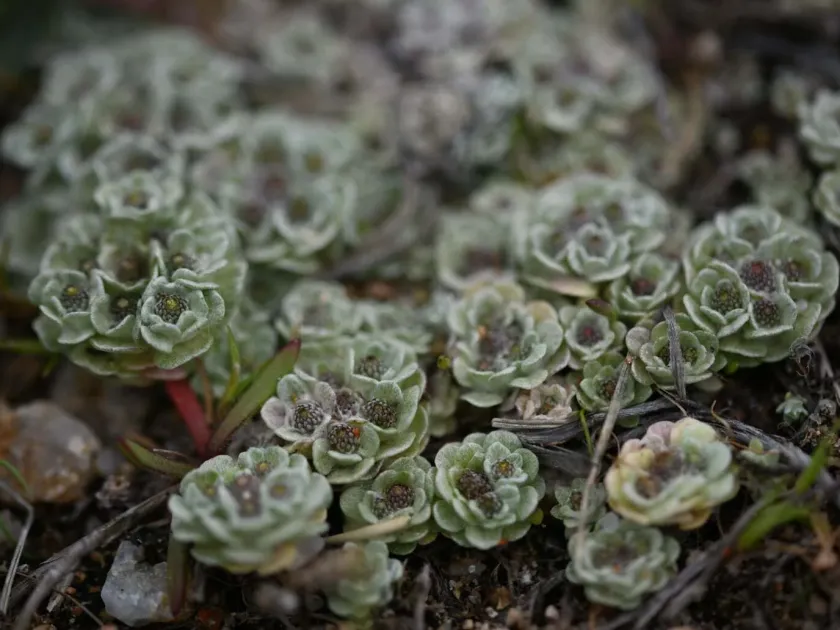
Filago tyrrhenica is an annual herbaceous plant classified within the Asteraceae family. It serves as a specialized example of Mediterranean flora, adapted specifically to the nutrient-poor and dry environments found along the Tyrrhenian coast and surrounding islands.
The morphological structure of this plant is defined by its dense, silver-grey pubescence. This layer of trichomes serves a critical evolutionary function, reducing water loss through transpiration and protecting the plant tissues from intense solar radiation in open, exposed habitats.
In terms of cultivation, the plant demands excellent drainage. Ideal soil conditions consist of sandy or rocky substrates where water cannot accumulate near the root system, as the species is highly susceptible to root rot in waterlogged environments.
This species requires full solar exposure to thrive. Its metabolic processes are optimized for high-light environments, and reduced light conditions often lead to etiolated, weakened growth that is prone to physiological stress or fungal pathogens.
The economic and practical utilization of Filago tyrrhenica is primarily focused on biodiversity conservation and its potential application in xeriscaping. It is not currently utilized as a mainstream commercial crop, but it remains a subject of interest for specialized botanical studies.