
Filago davisii
Filago davisii
Description
Growing requirements
Filago davisii is a distinct plant species belonging to the Asteraceae family. It is recognized as a part of the genus commonly referred to as cotton-roses or cudweeds, characterized by their woolly appearance and ability to thrive in harsh, nutrient-poor environments.
The geographic distribution of Filago davisii is primarily restricted to specific regions within Turkey, where it inhabits rocky landscapes and steppe-like terrain. It is considered an endemic species, making its preservation a priority for local botanical studies and conservation efforts.
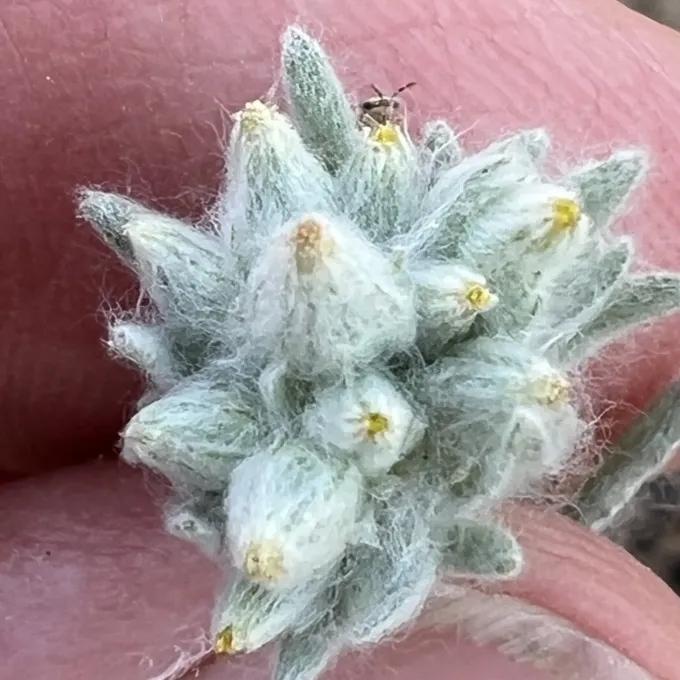
The morphology of the plant is heavily influenced by its survival strategy in dry climates. Its leaves and stems are covered in fine, hair-like structures that minimize water transpiration and protect the internal tissues from intense UV radiation. This allows the plant to flourish where other species might fail.
In terms of agricultural status, this plant is not a commercial crop and has no history of large-scale cultivation. Its significance lies in its role within the local ecosystem and its potential value in phytochemical research, as many plants in the Asteraceae family contain bioactive compounds.
Agricultural management of Filago davisii is virtually non-existent, as it is a wild-growing species that requires specific soil composition and microclimatic conditions. Efforts to cultivate this plant would require controlled conditions to simulate its native, high-drainage, and arid environment.