
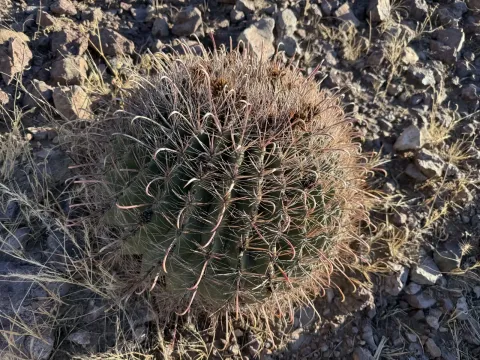
Ferocactus
Ferocactus Britton & Rose
Seed propagation of Ferocactus is carried out primarily in the spring, when air temperatures remain stable at 22–25 degrees Celsius. For germination, high humidity and a sterile substrate based on sand and peat are required.
What the section contains

Ferocactus
Sowing is performed using the surface method without deep embedding in the soil, as seeds are extremely sensitive to light. A crucial condition for success is maintaining a constant substrate temperature using bottom heating.
Seedlings emerge unevenly, a process that can take from one week to several months depending on the freshness of the seeds. It is vital to avoid direct sunlight on young sprouts during the early stages.
After picking, young plants require a gradual transition to the infrequent watering regime typical for mature specimens. The use of fungicides during the seedling stage helps prevent the development of pathogenic microflora.
In subsequent years, repotting is carried out using the transfer method in spring to avoid damaging the root system, which is characterized by brittleness and slow growth.
Ferocactus belongs to the Cactaceae family and naturally grows in arid regions of North America, mainly in Mexico and the Southwestern United States. It is a typical desert plant that requires maximum sunlight for healthy development.
The soil mix for this crop must have excellent drainage properties. A loose mineral composition with the addition of gravel, sod soil, and coarse sand with a neutral or slightly acidic reaction is optimal.
The plant is highly demanding regarding temperature: summer requires levels between +25 and +35 degrees Celsius, while the winter dormancy period requires a drop to +10–12 degrees with restricted watering.
Watering should be moderate during the active growing season and eliminated in winter. Excess soil moisture or stagnant water in the tray inevitably leads to root rot and the death of the cactus.
The crop is characterized by a massive stem with pronounced ribs and hard, stiff spines that serve a protective function and aid in condensing moisture from the air in its natural habitat.
The main threats to Ferocactus are sucking pests such as mealybugs and spider mites, which reproduce rapidly in dry indoor air conditions.
Fungal diseases, including various types of rot, develop mainly when agronomic rules are violated, especially when combining low temperatures with high soil moisture.
Specialized insecticides and acaricides are used to combat pests, treating the entire surface of the stem and ensuring deep rib spaces are covered.
Disease prevention consists of ensuring high-quality room ventilation and strictly adhering to the watering schedule. Using sterilized soil minimizes the risk of pathogen contamination.
- Regular visual inspection of spines and epidermis.
- Control of drainage hole cleanliness.
- Isolation of new specimens in quarantine.