
Ferocactus wislizeni
Ferocactus wislizeni (Englm.) Britt. & Rose
Description
Sowing dates
Sowing seeds of Ferocactus wislizeni is best performed in early spring to utilize the increasing natural daylight. Seeds should be sown in a highly porous, sterile substrate consisting primarily of mineral components.
The optimal temperature for germination is between 22 and 25 degrees Celsius. Constant humidity must be maintained under a clear cover, but excessive condensation should be avoided through regular ventilation.
Once the seedlings emerge, they require filtered light and very careful watering. Over-saturation of the soil at this stage will likely lead to rapid damping-off, a common fungal issue for cactus seedlings.
The seedlings remain delicate for several months and should be kept in a stable environment. Acclimatization to direct sunlight and drier air conditions should be done very gradually over the first year of growth.
Repotting into individual, small pots should be performed only when the seedlings have developed sufficient mass and a strong root system, usually after their first full season of growth.
Growing requirements
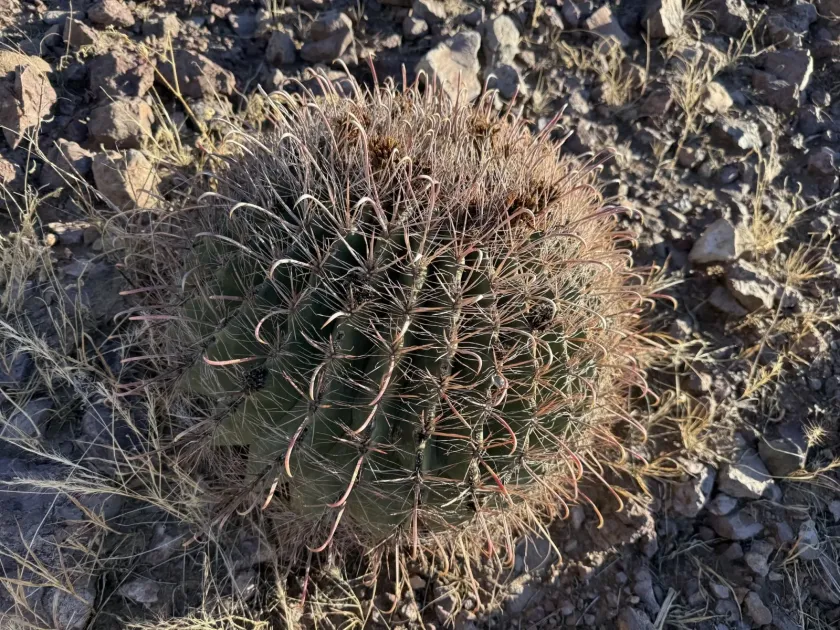
Ferocactus wislizeni, commonly known as the Fishhook Barrel Cactus, is a member of the Cactaceae family native to the Sonoran Desert. It is characterized by its large, cylindrical stem and dense, hooked spines.
This species requires full, intense sunlight to maintain its structural integrity and health. Inadequate lighting will cause the plant to etiolate, losing its iconic barrel shape and becoming prone to stem collapse.
The soil requirements involve a gritty, fast-draining medium. A mix of pumice, coarse sand, and a small amount of potting soil provides the necessary drainage to prevent root rot during the irrigation cycle.
During the growing season, water the plant deeply but allow the medium to dry out completely between waterings. Fertilization should be light, using a low-nitrogen formula specifically designed for cacti during the peak growing months.
The plant undergoes a dormant period during winter, requiring cool temperatures and minimal water. This rest period is essential for stimulating flowering in mature specimens and maintaining the plant's overall vitality.
Main diseases and pests
The primary threats to Ferocactus wislizeni are related to moisture management. Stem and root rot occur frequently when the plant is kept in cold, damp conditions, leading to soft spots that are often impossible to cure.
Pests such as mealybugs and spider mites are common in indoor collections or stagnant air environments. These pests inhabit the recesses between the ribs, making early detection somewhat challenging for the grower.
Prevention involves maintaining high levels of airflow around the specimen. If an infestation occurs, specialized horticultural soaps or systemic insecticides should be applied carefully to avoid damaging the cactus skin.
Fungal infections can manifest as black or brown spots on the epidermis. Often, these result from water staying on the plant surface too long; therefore, it is vital to keep the body of the cactus dry at all times.
Proper hygiene, such as cleaning gardening tools between uses and isolating new plants before introducing them to a collection, significantly reduces the risk of spreading pathogens among your succulents.