
Felicia tenella
Felicia tenella
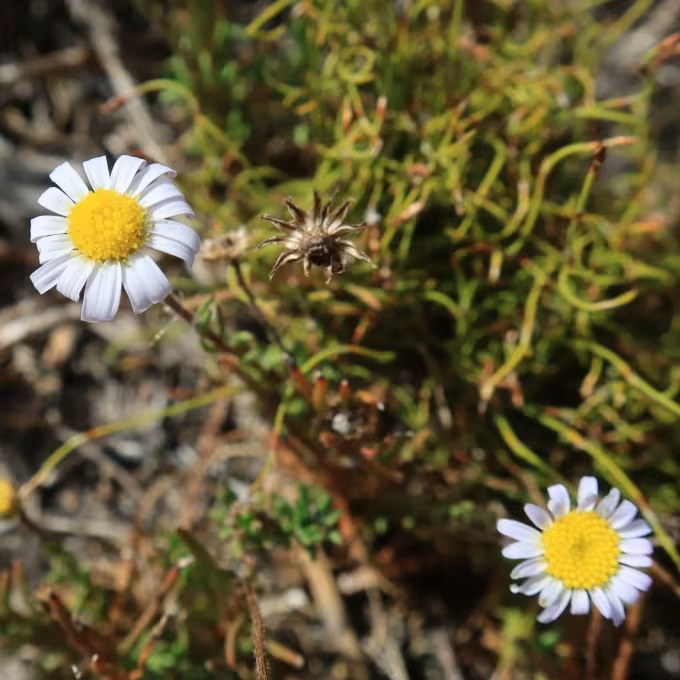
Description
Sowing dates
Felicia tenella belongs to the Asteraceae family and is commonly utilized as an ornamental annual in garden landscapes. Propagation is typically achieved through seeds, which should be sown indoors in late winter to early spring for the best results.
When starting seeds, it is crucial to use a light, well-draining germination mix. Seeds should be surface-sown or barely covered with a thin layer of soil, as they often require light for optimal germination processes to occur.
Maintaining a steady soil temperature between 18 and 20 degrees Celsius is essential for uniform seedling emergence. Once true leaves appear, seedlings can be carefully pricked out into individual pots to strengthen their root systems.
Direct sowing in the garden is only recommended after the danger of frost has completely passed. The seeds are delicate, so ensuring the seedbed is fine-textured and free of debris significantly improves success rates during emergence.
Spacing is a vital aspect of sowing; plants should be positioned 20 to 25 centimeters apart. Adequate distance ensures proper air circulation, which is critical for preventing fungal diseases in the later stages of development.
Growing requirements
This species thrives in locations with full sun exposure. Proper sunlight is necessary for the development of the characteristic blue flowers and prevents the plants from becoming leggy or weak during the growing season.
Regarding soil preferences, Felicia tenella requires well-drained, sandy, or loamy soil. It is intolerant of waterlogged conditions, which quickly lead to root decay and overall plant decline, making drainage a priority for growers.
Climatic requirements focus on moderate temperatures. While the plant can handle some heat, it prefers cool, breezy conditions. Protection from harsh winds is beneficial, as it helps maintain the integrity of the fragile, multi-branching stems.
Irrigation should be managed carefully to avoid excessive moisture around the root zone. Watering only when the top layer of soil becomes dry is the best practice to prevent over-saturation while ensuring the plant remains hydrated.
Fertilization should be handled with caution, favoring balanced, low-nitrogen formulations. Excessive fertilization promotes vegetative growth at the expense of floral displays, which contradicts the primary objective of growing this ornamental species.
Main diseases and pests
Fungal pathogens are the primary concern for this crop, particularly root rot caused by poor soil drainage. Maintaining dry, airy conditions around the base of the plant is the most effective preventative measure against these infections.
Powdery mildew may manifest as a white, dusty coating on leaves, especially in humid or stagnant air environments. Using appropriate fungicides and thinning out dense foliage are recommended steps to manage and suppress the spread of the fungus.
Aphids represent the most common insect threat, frequently clustering on new buds and tender stems. If left unmanaged, their feeding can deform flowers and weaken the plant's structural resistance to other environmental stressors.
Spider mites can become a nuisance during hot, dry spells, causing chlorosis in the foliage. Increasing humidity or utilizing specific acaricides can help manage populations before they significantly impact the aesthetic value of the planting.
Integrated pest management strategies, such as maintaining overall plant vigor through proper site selection and hygiene, significantly reduce the need for chemical intervention throughout the growing cycle.