
Felicia aculeata
Felicia aculeata
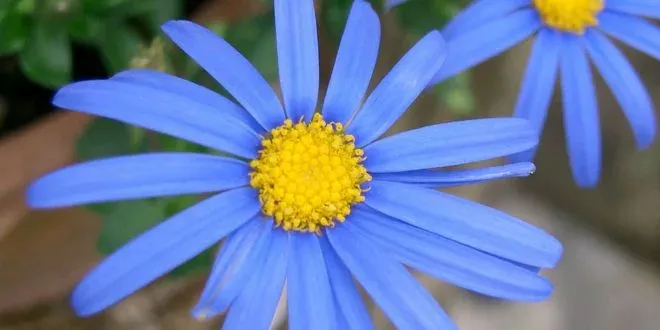
Description
Sowing dates
Felicia aculeata, a member of the Asteraceae family, is typically propagated through seeds or stem cuttings to ensure uniform development.
The sowing process begins in late winter, utilizing light, well-draining starting mix to promote healthy root formation in the early stages.
Seeds should be thinly covered with a fine layer of substrate, as they require sufficient indirect light to germinate successfully within two weeks.
Seedlings require hardening off before being transplanted into their permanent outdoor locations once the threat of frost has completely passed.
Proper spacing is crucial for this plant, as it helps prevent fungal buildup and allows the plant to maintain its structural integrity.
Growing requirements
This species thrives in full sun exposure, requiring at least six to eight hours of direct light daily to maintain vigorous growth.
The soil profile must be sandy or loamy with excellent drainage, as the species is highly susceptible to root damage from waterlogging.
While tolerant of low-nutrient soils, it benefits from occasional light applications of balanced fertilizer during the peak blooming season.
Watering frequency should be adjusted based on local evapotranspiration rates to keep the soil slightly moist but never saturated.
Felicia aculeata displays a high level of environmental plasticity, adapting well to various arid and semi-arid regional climates.
Main diseases and pests
The primary concern for this crop involves various forms of root rot, which are often the result of poorly managed irrigation practices.
Powdery mildew represents a significant threat in high-humidity conditions, necessitating careful plant spacing to improve air circulation.
Aphids and spider mites are the most common pests that can infest the foliage, often appearing during hot and dry spells in the growing season.
Effective management includes implementing a regular scouting routine to detect early signs of infestation and applying targeted controls.
Cultural practices, such as removing debris and infected plant parts, significantly reduce the overall pathogen pressure on the cultivation site.