
Felicia muricata
Felicia muricata
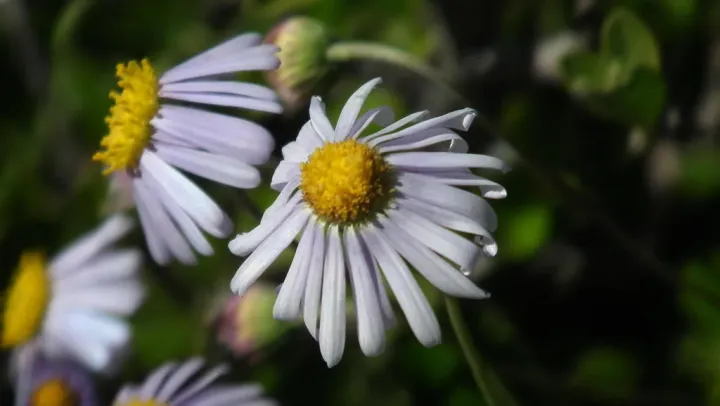
Description
Growing requirements
Felicia muricata, known as the rough-leaved felicia, belongs to the Asteraceae family and is native to the arid and semi-arid regions of South Africa. It is a perennial subshrub characterized by its small, needle-like leaves and daisy-like flowers, which contribute to its significant ornamental value.
This species is highly adapted to poor, sandy soils that provide excellent drainage. In agricultural or horticultural settings, it is essential to mimic these natural conditions by using porous substrates to prevent moisture accumulation, which can cause root damage or plant decline.
The climate requirements for Felicia muricata include exposure to full, direct sunlight throughout the day. It performs best in Mediterranean-like climates where winters are mild and summers are dry and warm. It lacks frost tolerance and is typically grown as an annual in colder regions.
Agronomic management involves minimal irrigation, as the plant possesses xerophytic traits that make it efficient at utilizing scarce water resources. Over-fertilization should be strictly avoided to prevent succulent, weak growth that would make the plant more vulnerable to environmental stress and pathogens.
To promote longevity and aesthetic quality, regular pruning after the main flowering phase is recommended to maintain the compact shape of the bush. This also encourages secondary blooms and helps the plant dedicate energy to root system development before the onset of extreme seasonal conditions.
Main diseases and pests
The primary threats to Felicia muricata are related to humidity management. High atmospheric humidity combined with poorly drained soil often leads to fungal infections such as powdery mildew or root rot. Maintaining adequate air circulation around the plants is a crucial preventive measure.
Pest pressures primarily include sap-sucking insects such as aphids and spider mites. These pests tend to multiply during dry periods, focusing their damage on the tender apical meristems of the plant. Monitoring and early intervention with botanical or systemic pesticides are effective strategies for management.