
Felicia filifolia
Felicia filifolia
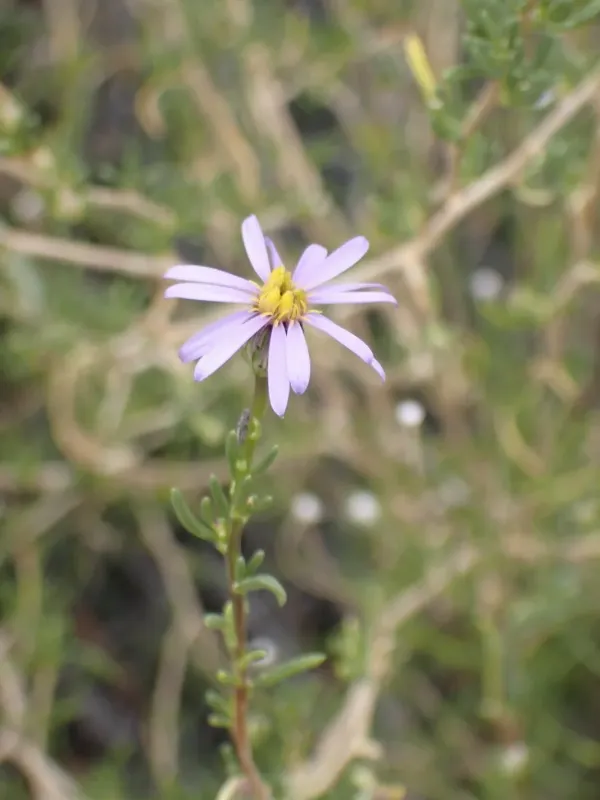
Description
Sowing dates
Felicia filifolia is typically propagated by seeds. Sowing should be carried out in early spring to ensure the plants have enough time to establish before the warmer months. Use a well-draining, lightweight potting mix.
The seeds require light to germinate, so they should be sown on the surface of the soil and only lightly pressed down. Covering the container with plastic wrap helps maintain consistent humidity levels.
Keep the sowing environment at a temperature range of 20–22 degrees Celsius. Once germination occurs, usually within a few weeks, the cover should be removed to allow for air circulation.
When the seedlings develop their first true leaves, they can be transplanted into individual pots. It is crucial to handle them carefully to avoid damaging the delicate root system during this stage.
Hardening off the seedlings for a week before moving them to their permanent outdoor location is essential. Plant them in late spring once all risks of frost have passed to ensure survival.
Growing requirements
Belonging to the Asteraceae family, Felicia filifolia is a perennial shrub native to South Africa. It is well-adapted to Mediterranean-like climates and thrives in full sun exposure.
The soil must be exceptionally well-draining, such as sandy or gritty loam. This plant is highly sensitive to waterlogged conditions, which will inevitably lead to root rot and plant death.
While the plant is drought-tolerant once established, it requires regular moderate watering during the initial growth phase. Overwatering is the most common mistake made by inexperienced gardeners.
Fertilization should be kept to a minimum. A slow-release balanced fertilizer applied once at the beginning of the growing season is sufficient to support healthy foliage and flower production.
Regular deadheading of spent blossoms is highly recommended. This practice not only keeps the plant looking tidy but also redirects energy into forming new flower buds throughout the season.
Main diseases and pests
Root rot is the most serious threat to Felicia filifolia, primarily caused by poor drainage or excessive soil moisture. Once the root system is compromised, the plant is difficult to recover.
Powdery mildew can affect the foliage during periods of high humidity or poor air circulation. Symptoms include white, dusty patches on leaves, which should be treated with appropriate fungicides.
Aphids are the most common pests that target this species. They cluster on the new growth and flower buds, weakening the plant and potentially spreading viral infections between individual specimens.
Spider mites may become a problem in hot, dry conditions. These tiny pests cause yellow stippling on leaves and form fine webbing, eventually leading to foliage drop if left unchecked.
To maintain plant health, ensure sufficient spacing between plants to promote airflow. Regularly inspect the underside of leaves for early signs of pest infestation and take action immediately.