
Felicia clavipilosa
Felicia clavipilosa
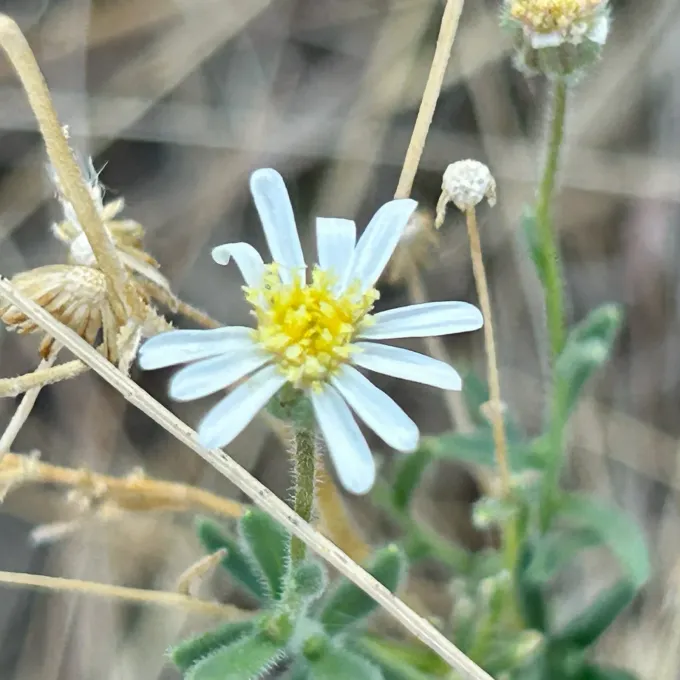
Description
Sowing dates
Felicia clavipilosa is a member of the Asteraceae family, often cultivated for its ornamental value. Seeds should be sown indoors in late winter, approximately 8 to 10 weeks before the final frost date in your specific climate zone to ensure a healthy head start for the growing season.
When sowing, use a sterile, well-draining seed-starting mix. The seeds require light for optimal germination; therefore, they should be sown on the surface and pressed gently into the medium without being heavily covered. Maintain a consistent temperature between 18 and 22 degrees Celsius.
Once seedlings have developed their first set of true leaves, they should be pricked out into individual pots. This practice prevents the crowding of seedlings and allows for stronger root development before transplanting into the open garden environment.
Transplanting into the garden should occur only after the soil has warmed up and the risk of frost has passed. It is crucial to harden off the plants gradually over a period of two weeks by exposing them to outdoor conditions during the day to prevent transplant shock.
Planting density is an important aspect of sowing strategy. Adequate spacing ensures that each plant has enough room to grow and allows for proper airflow, which is essential for maintaining the overall health of the planting bed and reducing the likelihood of humidity-related issues.
Growing requirements
This species thrives in conditions that mimic its native South African habitat. It is highly adapted to full sun exposure, and sites with at least six to eight hours of direct sunlight per day are ideal for encouraging vigorous blooming throughout the summer season.
The soil requirements are specific: Felicia clavipilosa demands soil with excellent drainage. Sandy or light loamy soils are preferred. If your garden soil is heavy or prone to waterlogging, it is necessary to amend it with organic matter or grit to improve aeration and drainage.
Regarding climate, this plant prefers warm, dry conditions. It is not tolerant of constant high humidity, which can lead to fungal issues. In regions with frequent summer rainfall, it is recommended to plant it in raised beds or containers to ensure the root zone stays relatively dry.
Maintenance, including fertilization, should be done with care. A balanced, low-nitrogen fertilizer applied during the growth phase supports flower production. Excessive nitrogen should be avoided, as it leads to lush vegetative growth rather than the desired compact, flowering habit.
Watering should be deep but infrequent, allowing the top layer of soil to dry out between applications. This approach encourages deep root growth, making the plant more resilient to temporary drought periods once it has fully established in its permanent location.
Main diseases and pests
Fungal pathogens such as powdery mildew are common threats, especially when plants are placed in low-airflow or high-humidity environments. Improving circulation and avoiding overhead watering are effective preventive measures that every gardener should implement.
Root rot represents the most significant threat to the survival of Felicia clavipilosa. It is almost always caused by poor soil drainage combined with overwatering. To mitigate this risk, ensure the growing medium is light and sandy, and monitor soil moisture carefully during wet weather.
Aphids and spider mites are typical pests that infest this crop during hot, dry spells. Regular inspection of the underside of leaves is recommended, as early detection allows for the use of organic insecticidal soaps rather than harsh chemical pesticides.
Slugs and snails can be problematic for young, emerging seedlings in the spring. Implementing physical barriers or using pet-safe bait can protect the young plants until they are robust enough to withstand minor damage without significant loss of vigor.
To keep the garden healthy, remove and destroy any plants showing signs of advanced viral or fungal infection. Maintaining strict sanitation practices in the garden, including the removal of dead plant material at the end of the season, reduces the overwintering of pathogens.