
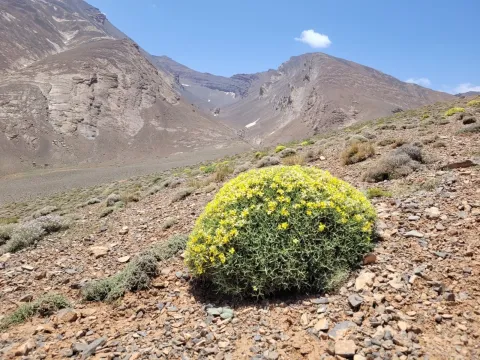
Euzomodendron
Euzomodendron
Euzomodendron (scientific name: Euzomodendron bourgaeanum) is a rare botanical species belonging to the Brassicaceae family. In agricultural or botanical settings, successful propagation is primarily achieved through seed sowing, which requires mimicking the natural conditions of its native habitat.
What the section contains

Euzomodendron
Seeds should be sown in a well-draining, calcareous-rich substrate that reflects the rocky soil typical of its origin in southern Spain. Optimal sowing occurs in early spring to take advantage of natural temperature fluctuations that aid the germination process.
It is essential to plant the seeds at a shallow depth, no more than 0.5 to 1 cm, as they require sufficient light exposure to emerge effectively. Surface soil should be lightly pressed to ensure proper contact and moisture retention without saturation.
Growth during the first season is characteristically slow as the plant establishes its rosette and root system. Maintaining stable, moderate humidity levels is critical to prevent the small seedlings from drying out or succumbing to damping-off.
For controlled environments, providing a light, airy environment is paramount. Avoiding direct, harsh heat while ensuring the plant receives full spectrum light helps in developing robust seedlings capable of transitioning to the next growth phase.
Euzomodendron thrives in very specific environmental conditions. It demands well-drained, porous soils, ideally with a high lime content, which prevents water from stagnating around the plant's sensitive crown.
The plant is highly drought-tolerant, adapted to the arid climate of its native range. Cultivation should emphasize deep, infrequent watering cycles to encourage the development of a strong, deep-reaching taproot system.
Sunlight is the most important factor for this species. Euzomodendron requires a high intensity of direct sunlight to maintain its compact, shrub-like growth form and to trigger the production of flowers during its reproductive cycle.
Fertilization should be kept to an absolute minimum. Since it is native to nutrient-poor, rocky areas, excessive fertilization often leads to succulent but weak vegetative growth that is more prone to breaking and disease.
Optimal temperature ranges for growth are moderate. The species does not handle extreme cold or high humidity well, making ventilation a key management practice for keeping the foliage dry and free from moisture-related disorders.
The most significant threat to Euzomodendron is fungal disease, particularly root rot, caused by excessive soil moisture and poor drainage. Once established, these infections are difficult to reverse and often lead to plant loss.
Pests that typically affect Brassicaceae crops, such as flea beetles and aphids, can cause substantial damage to the leaves. Monitoring for early signs of infestation is crucial, as the slow growth rate of the plant makes it hard to recover from severe defoliation.
High humidity and poor airflow can facilitate the development of powdery mildew. Maintaining a dry, well-ventilated environment is the most effective preventative measure against these types of fungal outbreaks.
Weed management is vital in the early development stages. Because Euzomodendron competes poorly with faster-growing vegetation, any surrounding weeds must be removed to ensure the plant has access to limited nutrients and light.
Pathogen transfer via contaminated tools or soil remains a risk. To maintain a healthy crop, all equipment used for maintenance should be sanitized, and any new growth must be inspected regularly to detect issues before they spread to the rest of the planting.