
Euphrasia tetraquetra
Euphrasia tetraquetra
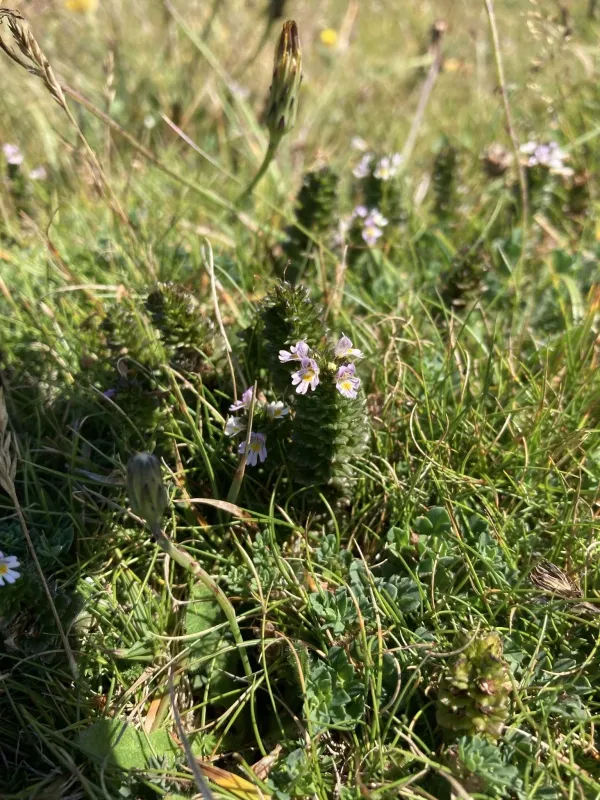
Description
Growing requirements
Euphrasia tetraquetra is an annual herbaceous plant belonging to the Orobanchaceae family. It is a facultative hemiparasite that draws water and mineral nutrients from the roots of neighboring host plants, typically grasses, which is crucial for its survival and development.
The natural habitat of this species includes moist meadows, heathlands, and limestone grasslands. Cultivation of Euphrasia requires a complex understanding of its symbiotic relationship with host plants, as it cannot thrive in isolation without the necessary nutritional exchange.
Regarding soil requirements, the plant prefers well-drained, nutrient-poor to moderately fertile soils. It thrives in sites with a neutral to slightly alkaline pH, common in environments with limestone substrate, which prevents root rot and promotes healthy physiological function.
Climatic conditions should favor cool to moderate temperatures. Euphrasia tetraquetra is highly sensitive to extreme heat and prolonged dry spells, making consistent soil moisture a prerequisite for maintaining high-quality phytochemical accumulation in its aerial parts.
The industrial use of Euphrasia centers on the pharmaceutical industry. The dried herb is highly valued for its medicinal properties, particularly in treating ocular conditions such as conjunctivitis, blepharitis, and eye strain due to its flavonoid and tannin content.
Main diseases and pests
Disease pressure on Euphrasia includes fungal pathogens such as downy mildew and rust, which can proliferate under high humidity conditions, causing lesions on the foliage and reducing the total biomass of the medicinal crop.
Insect pests are generally less significant, although aphids can occasionally infest the apical shoots during peak growth periods. Integrated pest management, avoiding heavy chemical usage, is recommended to preserve the quality of the pharmaceutical raw material.