
Euphrasia cebennensis
Euphrasia cebennensis
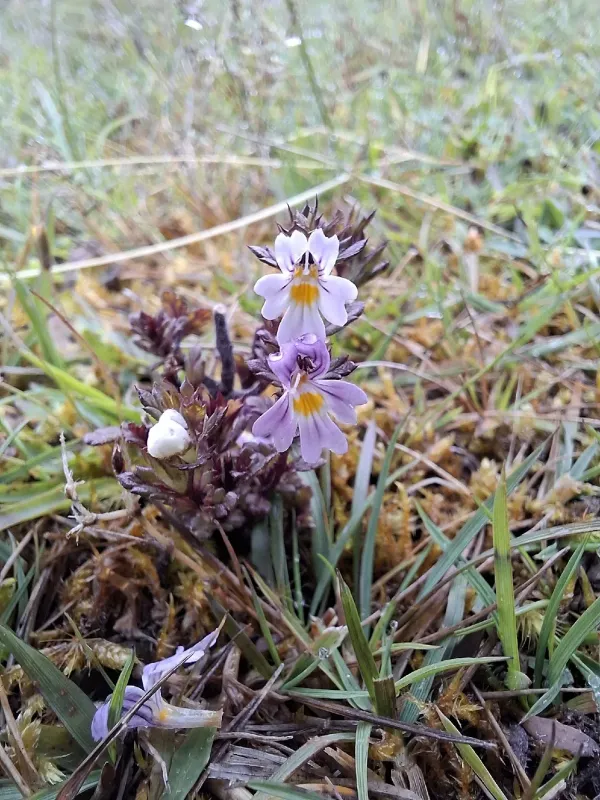
Description
Growing requirements
Euphrasia cebennensis is an herbaceous plant belonging to the Orobanchaceae family. It is a highly specialized species primarily found in mountainous regions, specifically noted for its presence in the Cevennes mountain range in France.
As a hemiparasite, this crop relies on the root systems of neighboring plants to derive water and essential mineral nutrients. This physiological dependence is a critical factor for successful establishment in any agricultural or research setting.
The plant thrives in well-drained, nutrient-poor, alpine soils with a neutral pH. It requires high levels of solar radiation and is naturally adapted to the cool and humid conditions typical of high-altitude grasslands.
Agricultural cultivation involves maintaining a balance between the host plants and the Eyebright. If the host density is too low, Euphrasia cebennensis fails to thrive; if too high, competition for space might become an issue.
The climate requirements include a distinct seasonal cycle with cool summers and sufficient moisture. It cannot tolerate waterlogging or high temperatures, which makes its cultivation limited to specific temperate mountainous microclimates.
Main diseases and pests
The main threats to the population of Euphrasia cebennensis are climate change and land-use alterations, which threaten the alpine habitats and the availability of host plant species necessary for its survival.
Pathogenic threats include various types of fungal infections, particularly those affecting the roots and the lower parts of the stem during periods of high humidity and poor soil aeration.
Insect pests such as aphids and certain lepidopteran larvae can cause significant foliage damage. Since the plant is often collected or grown for its active compounds, protecting the leaves from pests is essential for quality.
Disease management requires preventive measures, such as ensuring proper plant spacing and avoiding overhead irrigation that leads to prolonged leaf wetness, which triggers fungal disease development.
Integrated pest management is recommended, as the use of broad-spectrum pesticides is generally discouraged due to the potential contamination of the raw material intended for pharmaceutical use.