
English eyebright
Euphrasia anglica
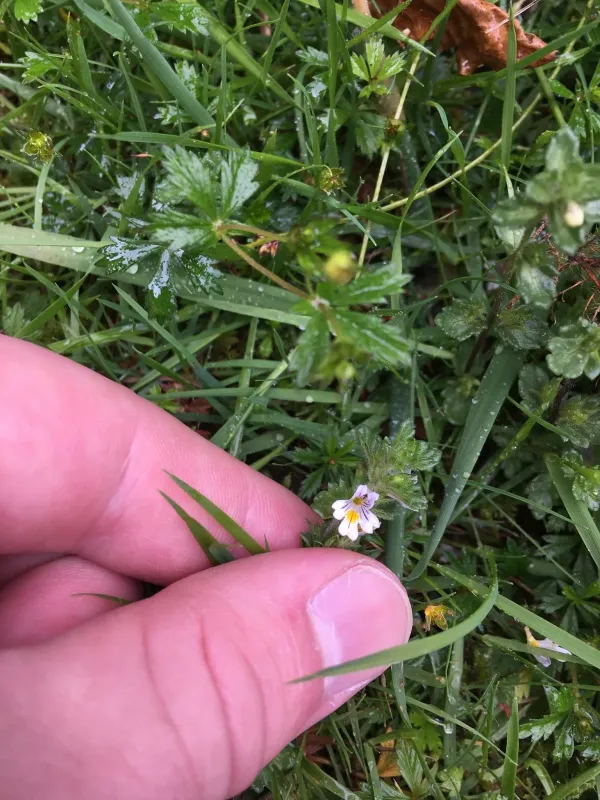
Description
Growing requirements
English eyebright (Euphrasia anglica) is an annual hemiparasitic plant belonging to the Orobanchaceae family. Unlike fully autotrophic plants, it relies on haustoria to extract nutrients from the roots of adjacent grasses and herbaceous plants to supplement its survival.
The native range of this species is largely confined to Western Europe, with a significant presence in the United Kingdom. It typically colonizes meadows, heathlands, and grassy verges where the soil structure remains stable and undisturbed for long periods.
Regarding soil requirements, the species thrives in nutrient-poor substrates. The application of chemical fertilizers, particularly nitrogen-rich compounds, is detrimental to the plant as it disrupts the delicate balance between the parasite and its specific host species.
Climate preferences for Euphrasia anglica include temperate maritime zones with high relative humidity. It requires consistent light exposure throughout its growing season and cannot tolerate prolonged waterlogging or extreme shade cast by denser vegetation types.
In terms of practical utility, the plant is primarily harvested for the botanical industry. Extracts from the foliage are processed into tinctures and eye washes, as the plant contains bioactive compounds recognized for their anti-inflammatory properties in ophthalmology.
Main diseases and pests
The primary threats to the species involve the loss of suitable habitats due to agricultural intensification. Conversion of grasslands into arable land or excessive fertilization inevitably leads to the decline of eyebright populations as host competition increases.
Phytosanitary risks are generally low in wild habitats, though pathogenic fungi like rusts or powdery mildew may occur during seasons with atypical moisture levels. Maintaining a balanced plant community is the best defense against localized disease outbreaks.