
Canadian eyebright
Euphrasia canadensis
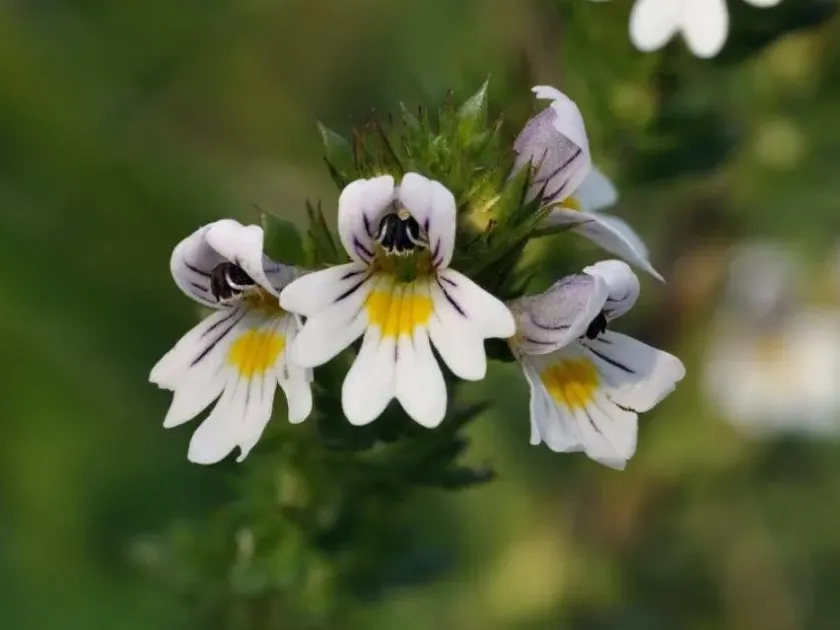
Description
Growing requirements
Canadian eyebright (Euphrasia canadensis) is a distinct member of the Orobanchaceae family. It is a hemiparasitic plant, meaning it can produce its own food through photosynthesis but relies on the root systems of host plants to supplement its water and nutrient intake.
Originating from North America, this species is primarily found in Canadian landscapes. It thrives in open, sunny environments such as meadows and grasslands where specific host plants are readily available for its root attachments.
The soil requirements for this crop are quite specific; it prefers well-drained, slightly acidic to neutral soils. It does not perform well in highly fertilized soil, as an excess of nutrients can actually inhibit the plant's natural hemiparasitic development.
Regarding climate, the plant favors temperate regions with mild summers. It requires a cold dormancy period to break seed dormancy and ensure successful germination, making it unsuitable for tropical cultivation.
The cultivation technique requires co-planting. Farmers must sow Euphrasia canadensis alongside suitable host plants, typically grasses, to ensure the eyebright can form the necessary haustorial connections for survival and reproduction.
Main diseases and pests
Fungal diseases represent the most significant threat to Canadian eyebright. Issues like mildew and root rot frequently emerge when air circulation is poor or soil moisture levels remain consistently too high.
Pests such as aphids and spider mites can cause substantial damage by sap-sucking. These insects tend to target the plant during its flowering phase, significantly reducing the viability of the seeds produced.
Soil-borne pathogens are particularly lethal to this species. Because the plant's survival depends on a delicate connection to a host, any damage to the roots by nematodes or soil fungi will likely cause the plant to wither and die.
Weed infestation is a major issue because Euphrasia canadensis is a slow-growing species. It requires careful manual weeding during the initial stages to prevent it from being completely outcompeted for sunlight and space.
To maintain a healthy crop, growers should strictly adhere to crop rotation and avoid monoculture planting. Ensuring a balanced host-to-eyebright ratio is the best defense against environmental and biological threats.