
Salzburg eyebright
Euphrasia salisburgensis
Description
Growing requirements
Salzburg eyebright (Euphrasia salisburgensis) is a member of the Orobanchaceae family. It is recognized as a hemiparasitic herbaceous plant that derives essential nutrients from the roots of neighboring plants, which is a key survival strategy in nutrient-poor environments.
The species is primarily distributed throughout the mountainous regions of Europe, notably the Alps and the Carpathian Mountains. It thrives in calcareous soils, rocky alpine meadows, and slopes that offer excellent drainage and minimal shade.
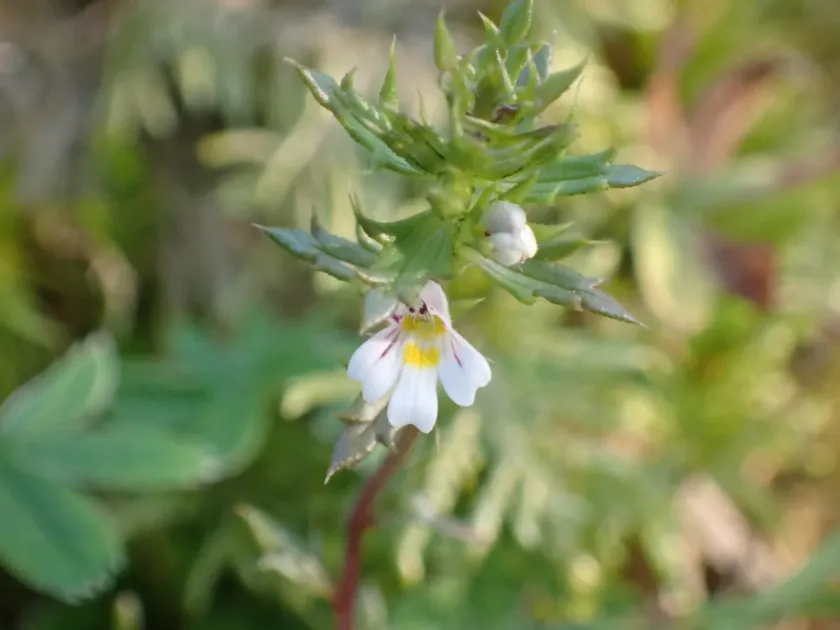
Botanically, the plant is characterized by its small, opposite, serrated leaves and distinctive flowers. The blooms typically feature a yellow spot on the lower lip, which acts as a guide for pollinators such as bees and flies.
Ecologically, the plant requires specific environmental conditions, including cool temperatures and stable light exposure. It is sensitive to soil enrichment, preferring low-fertility substrates where it can effectively tap into the hosts' root systems without facing intense competition.
In terms of usage, the plant has a long history in traditional medicine, particularly for the treatment of ocular inflammation. It is harvested in small quantities from the wild, adhering to sustainable principles to ensure the preservation of local alpine biodiversity.
Main diseases and pests
The primary threats to Euphrasia salisburgensis involve the loss of pristine mountain habitats due to tourism and infrastructural development. Changes in livestock grazing patterns can also affect the density of the host plant populations.
Pathogens and pests remain relatively undocumented compared to industrial agricultural crops. However, extreme moisture levels in alpine soils are known to be detrimental, often leading to the physiological weakening of the root system and plant die-back.