
Eyebright
Euphrasia rostkoviana
Description
Growing requirements
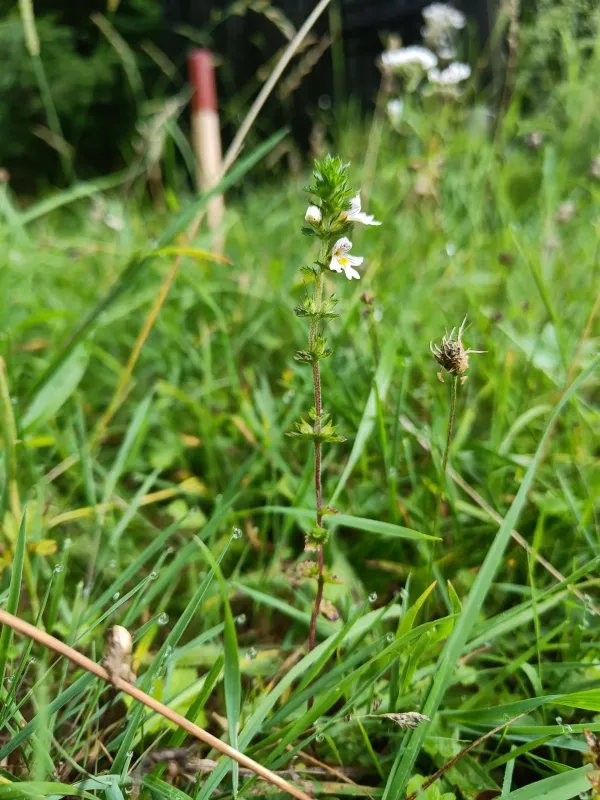
Eyebright (Euphrasia rostkoviana) is a herbaceous hemiparasitic plant belonging to the Orobanchaceae family. Unlike fully autotrophic plants, it relies on haustoria to attach to the roots of host plants, typically meadow grasses, to supplement its nutrient uptake.
The plant thrives in regions with a temperate climate, favoring habitats such as moist grasslands, pastures, and woodland edges. It prefers acidic to neutral soils that maintain consistent moisture levels throughout the growing season.
Climatic requirements are specific to cool, temperate zones. High temperatures and prolonged heatwaves are detrimental to its growth, as the plant depends on the steady supply of water and nutrients mediated by its interaction with host species.
Cultivation of Euphrasia rostkoviana is technically challenging due to its parasitic nature. It cannot be grown effectively in isolation; it requires the presence of compatible host plants to establish a functional root system, making it suitable for specialized medicinal plant gardens.
Historically and commercially, Eyebright is prized for its therapeutic properties, particularly in ophthalmology. Extracts from the aerial parts of the plant are frequently used in traditional medicine to support eye health and treat inflammation.
Main diseases and pests
The primary threats to Eyebright populations include habitat loss and the transformation of meadows into intensive agricultural fields. The application of chemical herbicides and fertilizers significantly impacts the plant, as it disrupts the delicate balance with host species.
Fungal pathogens such as rusts and mildews pose a risk, especially in environments with poor air circulation or excessive moisture. These diseases can quickly compromise the quality of the raw material required for pharmaceutical applications.
While the plant's bitter taste acts as a natural deterrent against many herbivores, it can still be affected by generalist pests like aphids or larvae if the host plant community is under stress. Management is focused on environmental stability rather than chemical intervention.
Harvesting practices must be carefully managed to ensure the plant reseeds. Because it is an annual, failing to leave behind sufficient seed-producing individuals will lead to a decline in the local population for subsequent years.
Maintaining a healthy ecosystem with a diverse community of plants is the best defense against pests and diseases. Agricultural practices should prioritize organic methods to preserve the ecological interaction between the parasite and its host plants.