
Euphrasia pectinata
Euphrasia pectinata
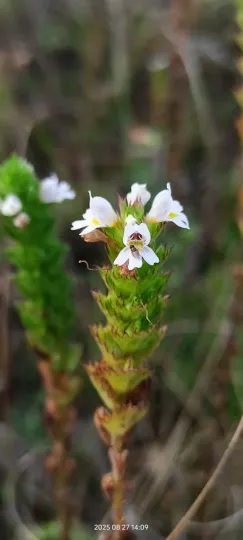
Description
Growing requirements
Euphrasia pectinata is a species of flowering plant belonging to the Orobanchaceae family. As a hemi-parasite, it possesses the unique ability to photosynthesize while simultaneously extracting essential nutrients from the roots of host plants, usually common meadow grasses.
The plant is characterized by its serrated leaves and small, intricate flowers often arranged in spike-like structures. In a cultivated setting, it acts as a specialty crop, requiring a careful balance of environmental factors to thrive alongside its symbiotic partners.
Climate requirements for this species are relatively broad, though it prefers temperate regions with adequate moisture and high solar exposure. It typically populates open landscapes, mountain meadows, and forest edges where the soil structure remains loose and well-aerated.
Soil quality is a critical factor, as Euphrasia pectinata thrives in well-drained habitats that are not overly enriched with synthetic nitrogen. Nitrogen-rich soils can weaken the plant's natural parasitic mechanism, making it less resilient to environmental stressors.
From an industrial perspective, the crop is valued primarily for its pharmacological properties. It contains compounds such as aucubin and various flavonoids, which are utilized in the manufacturing of ocular health supplements and soothing eye preparations for clinical use.
Main diseases and pests
Fungal diseases, particularly those affecting the root system, represent the most significant threat to plant viability. Maintaining optimal soil pH and ensuring efficient water drainage are essential practices to protect the crop from infection.
Leaf-feeding insects and various mites can cause extensive damage during the rapid growth phase. Integrated pest management strategies, emphasizing biodiversity and natural predators, are recommended to maintain plant health without chemical reliance.