
Euphrasia minima
Euphrasia minima
Description
Growing requirements
Euphrasia minima, commonly known as the dwarf eyebright, is an annual herbaceous plant classified within the Orobanchaceae family. This species is native to the alpine regions of Europe, where it is frequently spotted on mountain meadows and rocky slopes at high altitudes.
The plant exhibits a hemiparasitic lifestyle, a fascinating botanical strategy where it derives partial nutrients from host plants. Using specialized root structures called haustoria, it attaches to the roots of neighboring grasses and sedges to absorb water and mineral salts from them.
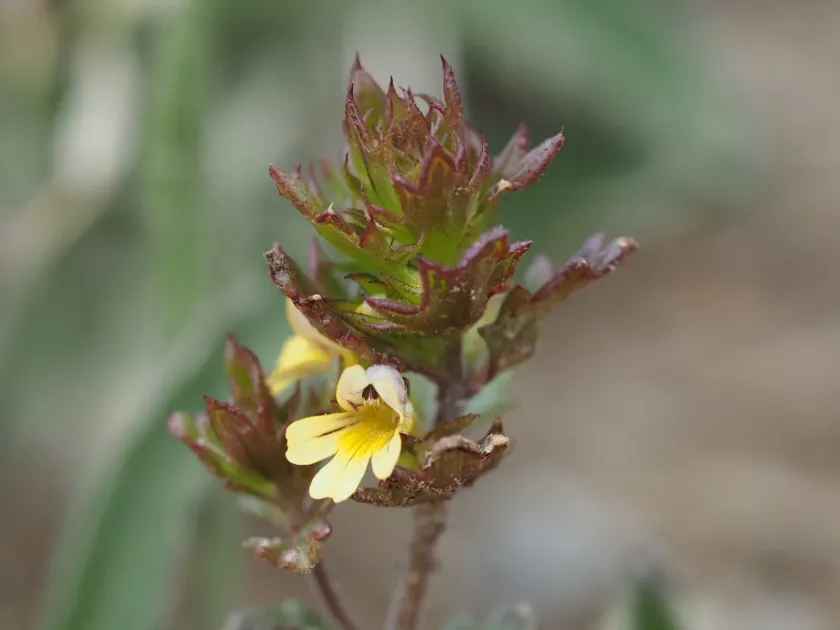
Morphologically, Euphrasia minima is a diminutive plant, typically reaching only a few centimeters in height. It features small, dentate leaves arranged in opposite pairs and delicate, white-to-violet flowers with characteristic yellow marks, which serve as nectar guides for visiting pollinators.
Growth requirements for this plant are strictly defined by its natural habitat. It thrives in open, sunny environments with low-fertility soils. It is intolerant of nutrient-rich soils, particularly those high in nitrogen, which makes artificial cultivation or agricultural farming of this species impossible.
Industrially, Euphrasia minima is highly valued in pharmaceutical circles. The aerial parts of the plant are harvested to produce ophthalmic extracts. Due to its potent astringent and anti-inflammatory properties, it remains a primary component in natural remedies for various ocular conditions.
Main diseases and pests
The main threat to Euphrasia minima is the alteration of its alpine habitats. Habitat fragmentation and changing land-use practices, such as intensive grazing, pose significant risks to the survival of local populations in high-mountain areas.
Environmental stressors like climate change force these high-altitude specialists to compete for space at higher elevations, which are increasingly limited. This migration pressure threatens the long-term stability of the species' natural distribution range.
Various fungal pathogens, specifically those that thrive in high humidity, can cause stem and leaf rot in Euphrasia minima. These infections reduce the plant's vigor and drastically decrease the production of viable seeds for the next growing season.
The plant's dependence on specific host species makes it vulnerable to shifts in local vegetation composition. If the dominant grasses in an alpine meadow are displaced by other flora due to ecological imbalance, Euphrasia minima is often the first to disappear.
In terms of conservation, the protection of undisturbed alpine meadows is crucial. The plant lacks chemical defenses and requires a pristine, balanced ecosystem to complete its complex reproductive cycle without anthropogenic interference.