
Euphrasia maximowiczii
Euphrasia maximowiczii
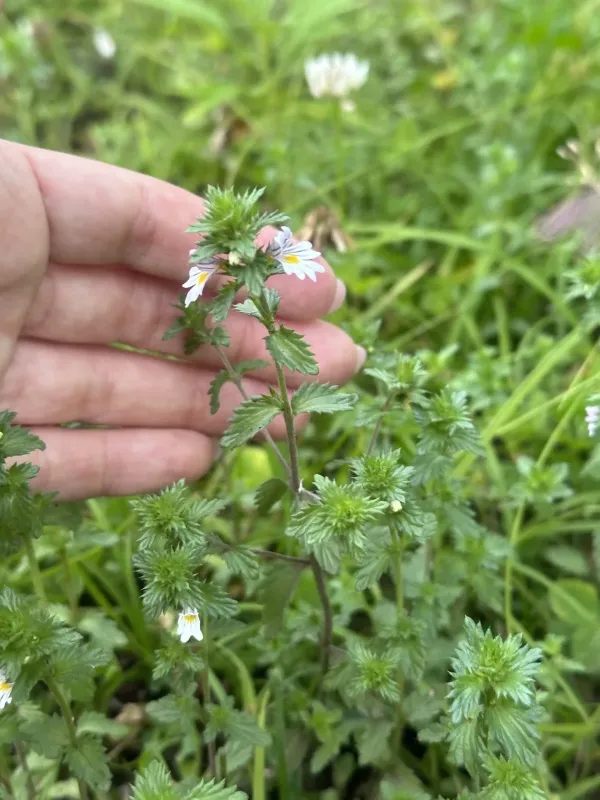
Description
Growing requirements
Euphrasia maximowiczii, commonly known as a type of eyebright, is an annual herbaceous plant belonging to the Orobanchaceae family. It is a well-known hemiparasite that attaches to the roots of other plants to derive water and mineral nutrients, while still conducting photosynthesis with its own green foliage.
The plant is native to the Far East, specifically distributed across parts of Russia, China, and Japan. It thrives in open meadow habitats, grassy slopes, and meadows where a diverse variety of host plants are available to support its growth cycle.
Optimal cultivation requires significant light exposure. This species does not tolerate shade well, as reduced light levels impede its energy production. Soil should be well-drained, fertile, and possess a balanced structure to support both the host plants and the development of the eyebright's root system.
Botanically, it features small, dentate leaves and delicate, irregular flowers that often exhibit purple or white hues. Its root system is specialized, forming haustoria that penetrate the host plant's tissues, allowing for efficient uptake of nutrients directly from the host's vascular system.
Its primary economic use is medicinal. Eyebright is highly valued in pharmacological applications for its anti-inflammatory and antiseptic properties, frequently utilized in preparations for ophthalmic health and the treatment of ocular irritation and congestion.
Main diseases and pests
The main threats to Euphrasia maximowiczii include various fungal infections, particularly those triggered by waterlogged conditions. Excessive humidity can lead to downy mildew and other leaf spots that significantly weaken the plant's health and reduce its medicinal quality.
Pests such as aphids and leaf-eating beetles can cause substantial damage to the leaves. Since the plant relies on a host, damage to its own foliage combined with host competition can lead to stunted growth or even the total failure of the crop population.
Effective management requires careful monitoring of the surrounding vegetation. If the host plant community is negatively impacted by invasive weeds or drought, the eyebright population will immediately decline, making the maintenance of a healthy plant association vital.
Chemical control must be strictly avoided during the growing season to ensure the safety of the raw material. Any pesticide residue would render the plant unusable for medical purposes, so growers prioritize manual maintenance and biological control methods.
To prevent disease spread, it is crucial to ensure adequate spacing between plants and maintain good air circulation. Regular scouting helps in early detection of potential outbreaks, allowing for rapid removal of infected parts before the entire batch is affected.